

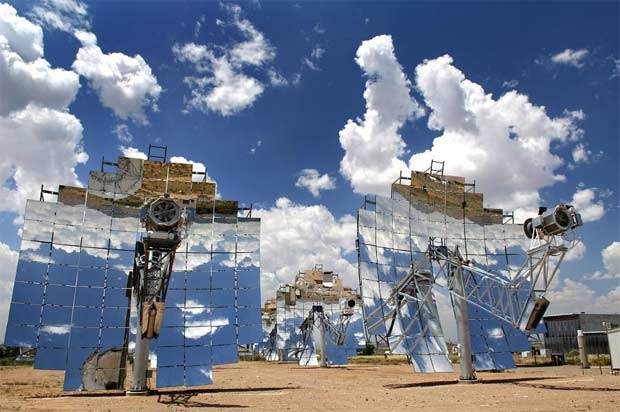
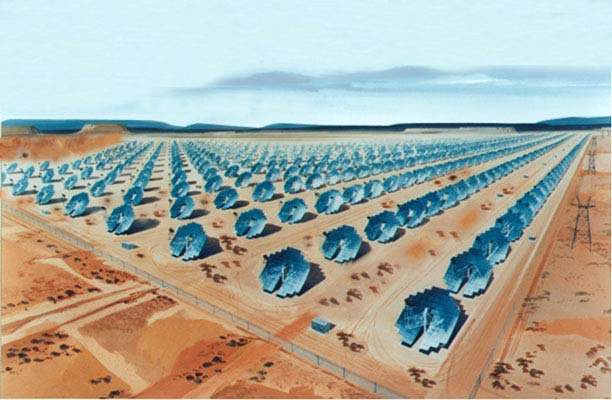
Southern California Edison (SCE) and Stirling Energy Systems(SES) are building a huge 1,800ha (4,500ac) solar power generating station in Southern California. When complete, the power station will be the world’s largest solar facility, producing more electricity than all other US solar projects combined.
The project is sited in the Mojave Desert, 70 miles northeast of Los Angeles. The 20-year power purchase agreement is subject to California Public Utilities Commission approval, but the plans include a 500MW solar project. An option can expand the project to 850MW.
Recommended Buyers Guides

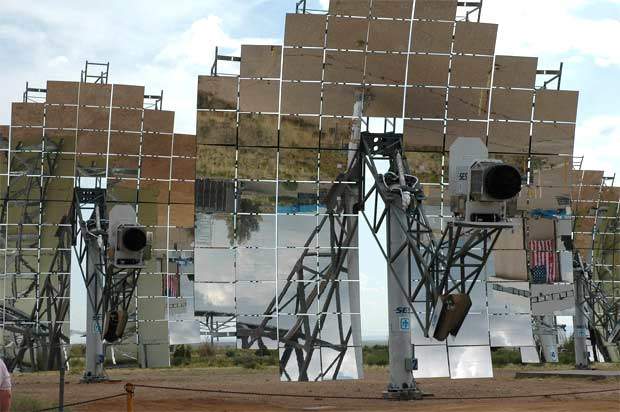
Initially, Stirling is building a 1MW test facility using 40 of the company’s 37ft-diameter dish assemblies. A 20,000-dish array is then planned near Victorville, California, over a four-year period. The Stirling project could provide enough clean power to serve 278,000 homes for an entire year. The contract requires no state subsidy and provides favourable pricing for ratepayers.
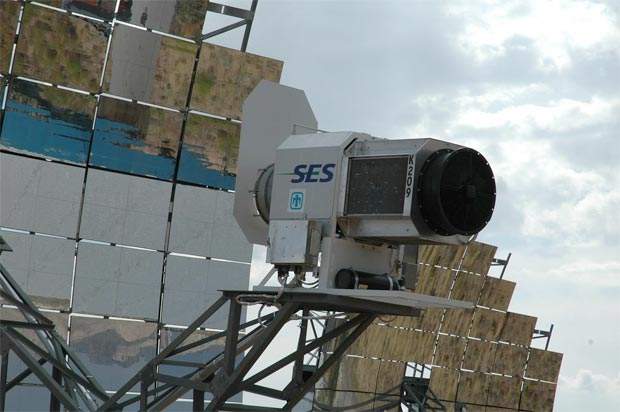
MIRROR ARRAY FOCUSES ON STIRLING ENGINE RECEIVER
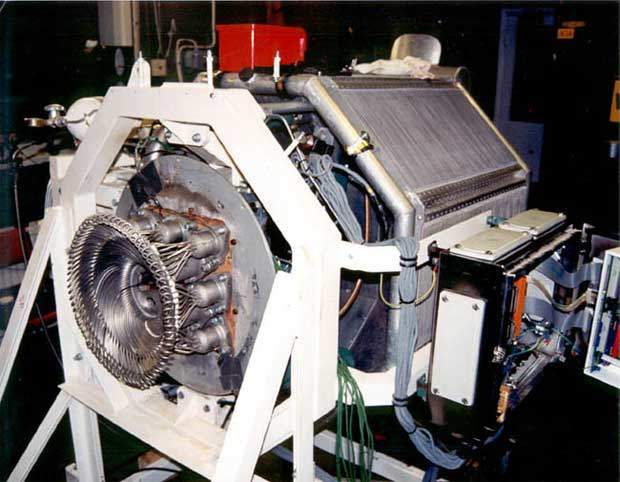
Although Stirling dishes have been successfully tested for 20 years, the project represents their first major commercial application. Experimental models have undergone more than 26,000 hours of successful solar operation. A six-dish power project is now operating at the Sandia National Laboratories in Albuquerque, New Mexico.
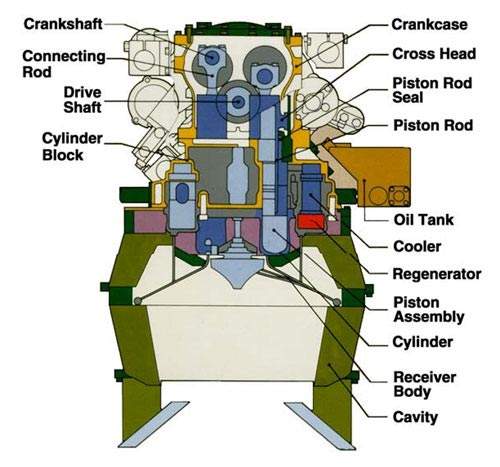
The dish converts thermal energy to electricity by using a mirror array to focus the sun’s rays on the receiver end of a Stirling engine. The internal side of the receiver then heats hydrogen gas, which expands.
The pressure created by the expanding gas drives a piston, crankshaft, and drive shaft assembly much like those in internal combustion engines but without igniting the gas. The drive shaft turns a small electricity generator. The entire energy conversion process takes place within a canister the size of an oil barrel. The process requires no water and the engine is emission free.
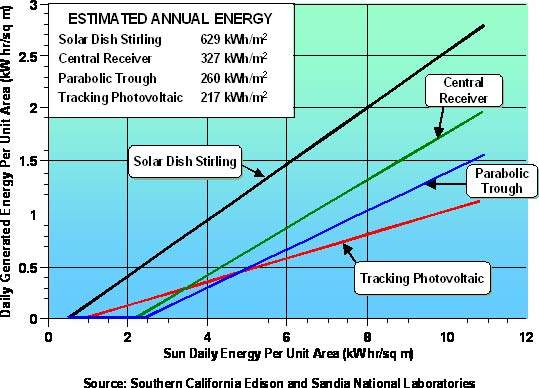
Tests conducted by SCE and the Sandia National Laboratories have shown Stirling dishes to be almost twice as efficient as other solar technologies. These include parabolic troughs which use the sun’s heat to create steam that drives turbines similar to those found in conventional power plants, and photovoltaic cells which convert sunlight directly into electricity using semi-conducting materials.
LARGEST RENEWABLES UTILITY IN THE USA
SCE procured more than 13,000GWh of renewable energy in 2004, more than any US utility and enough to power almost two million homes. In 2004, more than 18% of the power SCE delivered to the 13 million Californians it serves came from renewable energy sources.
SCE’s current renewable portfolio can deliver 2,588MW of electricity. That includes 1,021MW from wind, 892MW from geothermal, 354MW from solar, 226MW from biomass and 95MW from small hydro.
STIRLING ENGINES
Stirling engines are widely used in specialised applications like submarines or auxiliary power generators where quiet operation is important. The theoretical efficiency of Stirling engines is nearly equal to their theoretical maximum efficiency, known as the Carnot Cycle efficiency.
Stirling engines are powered by the expansion of a gas when heated, followed by the compression of the gas when cooled.
The Stirling engine contains a fixed amount of gas which is transferred back and forth between a ‘cold’ and a ‘hot’ end. The displacer piston moves the gas between the two ends and the power piston changes the internal volume as the gas expands and contracts.
The gasses used inside a Stirling engine never leave the engine. There are no exhaust valves that vent high-pressure gasses, as in a gasoline or diesel engine, and no explosions take place. Because of this, Stirling engines are very quiet. The Stirling cycle uses an external heat source, which could be anything from gasoline to solar energy to the heat produced by decaying plants.
Since 1984, SES’s Stirling equipment has held the world’s efficiency record for converting solar energy into grid-quality electricity. SES has teamed with the US Department of Energy and Sun-Labs (NREL and Sandia National Laboratories) to endurance test and commercialise the SES solar Stirling system.
