
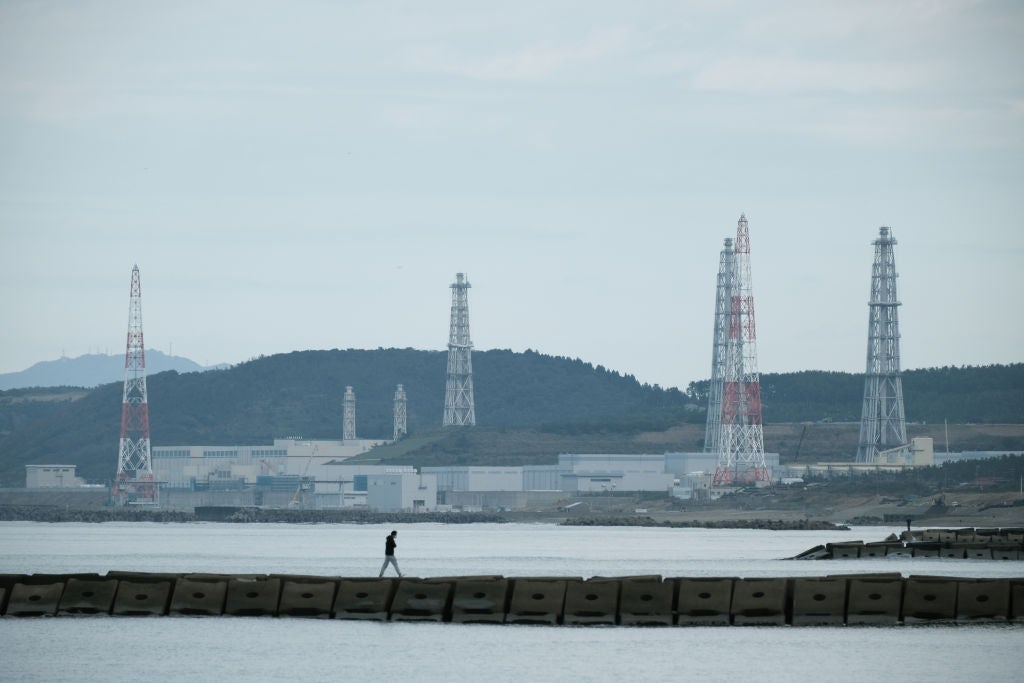
Japan’s nuclear watchdog has lifted a de facto operating ban on the Tokyo Electric Power (Tepco) Kashiwazaki-Kariwa nuclear plant, nearly three years after the site was shut down over security concerns.
The country’s Nuclear Regulation Authority (NRA) confirmed on Wednesday that counterterrorism measures and safety procedures had been improved at the plant, according to Nikkei Asia, following inspections and a hearing from Tepco president Tomoaki Kobayakawa.
Go deeper with GlobalData


Discover B2B Marketing That Performs
Combine business intelligence and editorial excellence to reach engaged professionals across 36 leading media platforms.
The nuclear site is the largest in the world and sits in the coastal city of Niigata. Tokyo Electric Power was prohibited from transporting reactor fuel to the plant in April 2021 after the NRA raised concerns over security and safety standards, although the plant has been offline since 2012 after the Fukushima nuclear disaster triggered the closure of all nuclear sites in Japan at the time.
It is unclear whether the site will restart operation as local consent is yetneeded. “We will listen to residents’ opinions and make our decision,” said Governor of Niigata Prefecture Hideyo Hanazumi, but no timeline for consultations was specified.
“The government will seek the understanding and cooperation of Niigata prefecture and local communities, emphasising ‘safety-first’,” Yoshimasa Hayashi, the government’s top spokesperson, told reporters.
Tepco is keen to bring the 8.2GW, seven-reactor plant back online to cut operating costs. Shares in the company soared earlier this month after the NRA suggested it might consider lifting the operational ban.

US Tariffs are shifting - will you react or anticipate?
Don’t let policy changes catch you off guard. Stay proactive with real-time data and expert analysis.
By GlobalDataJapan’s Government is also looking to revive its nuclear industry to reduce reliance on foreign fossil fuels and boost energy security. In December last year, it published a plan to restart reactors following a softening of public opposition to nuclear power, one decade since the Fukushima crisis.
Before the disaster, one third of Japan’s electricity mix was produced by its 54 nuclear reactors. Although more are in the process of being brought back online, just nine are currently still operational, forcing the country to import approximately 90% of its fuel supply.



