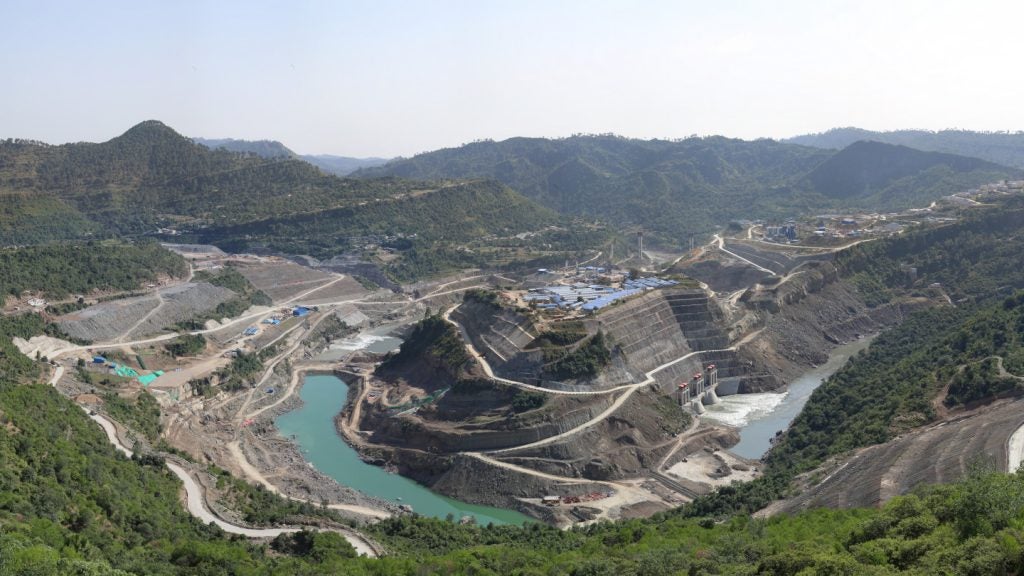


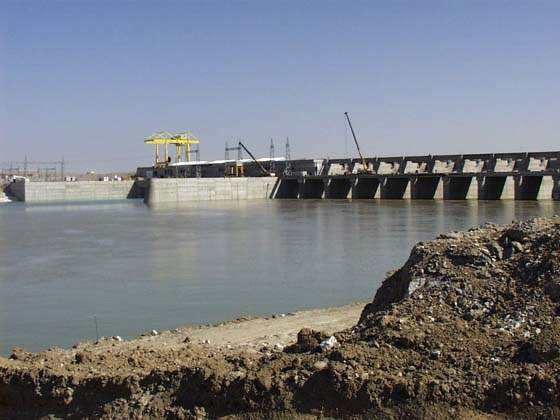


The 180MW Karkamis dam and hydroelectric plant cost $175 million and is one of the smaller dams in the South Eastern Anatolian Project (GAP). Dwarfed by the upstream Ataturk dam, it is 4.5km from the Turkish / Syrian border and 33km downstream from the now completed Birecik dam.
GAP (Güneydogu Anadolu Projesi, the project’s name in Turkish) is a massive project to build 21 dams and 19 hydroelectric power stations as well as encourage other kinds of economic development in almost every industry. The GAP project leverages on water and soil resources of southeast Turkey which accounts for 20% of the country’s agricultural land and 28% of water supply. When finished, the GAP will irrigate 1.82 million hectares of land.
Recommended White Papers
Recommended Buyers Guides

Plant make-up
The power projects under the GAP will have a total installed capacity of 7,476MW and the annual energy production of the project is estimated to reach 27 billion KWH. This will be more than a fifth of Turkey’s electricity generation. The length of the top of the dam is 608m and there are six Kaplan turbines with horizontal axes. The 6kV generators have a rating of 35MVA. The three transformers have a rating of 35/70MVA.
The opening ceremony took place in December 1999. Each unit was brought into production one at a time, at a rate of one a month. The whole GAP project is expected to be completed by 2012.
Plant construction
The plant was constructed by an Austro-Turkish consortium. VA Tech Elin was responsible for the electrical equipment’s delivery, installation and commissioning. Voith, another Austrian company, was responsible for the delivery, installation and commissioning of six Kaplan turbines (in July 1999, Voith and Siemens announced the merging of their hydro businesses).
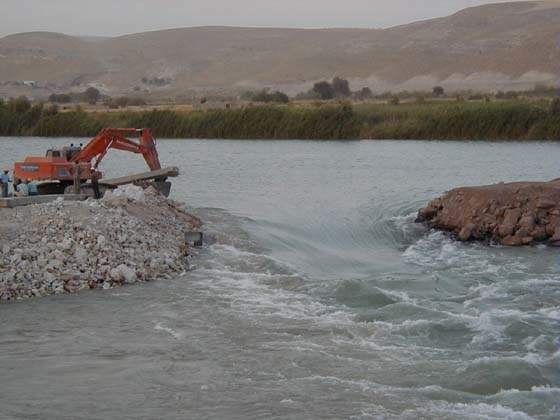
Verbundplan, an Austrian firm of consulting engineers, was responsible for project co-ordination. Yuksel Insaat (from Turkey) was responsible for hydromechanical equipment. Temelsu International Engineering Services, also from Turkey, was responsible for detailed civil engineering. The project was supported, in part, by the Austrian Government. The construction plan was for a 48-month project, and completion was a month ahead of schedule. The construction of the powerhouse and spillway, together with erection of the turbine generators, took 32 months. The second phase involved the division of the Euphrates with coffer dams. It also involved the completion of the turbines, and the earth filling of the dams.
Political objection to dams
The dams on the Euphrates have been the subject of strenuous objections from Syria and Iraq. Syria is downstream of the dams. The country formally objected in both 1995 and 1996. As a desert country, it sets a premium on water for irrigation and other purposes. The main fear on the part of these countries is that Turkey, by accident or design, will disrupt the flow of the Euphrates to Syria’s disadvantage.
This is a real fear on the part of both Iraq and Syria. Both countries have a history of chequered relations with their northern neighbour. Indeed, in 1990, UN warplanes bombed Iraq from Turkish bases, and Syria is made nervous by Turkey’s close relationship with Israel. Both Syria and Iraq have been accused of supporting Kurdish separatists in Turkey.
Reducing separatism
The project was also designed to help Turkey suppress its troubles with the Kurds. Kurdish rebels have been waging war on the Turkish government since 1984, in their quest for an independent or autonomous homeland. By creating economic and social development, the GAP project was intended to reduce Kurdish separatism.
Turkey is likely to persist with its power generation project in the GAP region since it is of central importance to the country’s economic and social development. The electricity generation is made even more important by the continuing difficulties of Turkey nuclear programme. Turkey had been hoping to generate 10,000MW through nuclear plants by 2020, but its plants are being delayed due to political instability in the region. This makes the power of the GAP plants even more vital. An additional reason for the Turkish government’s interest is the political leverage GAP gives Ankara on its downstream neighbours.