

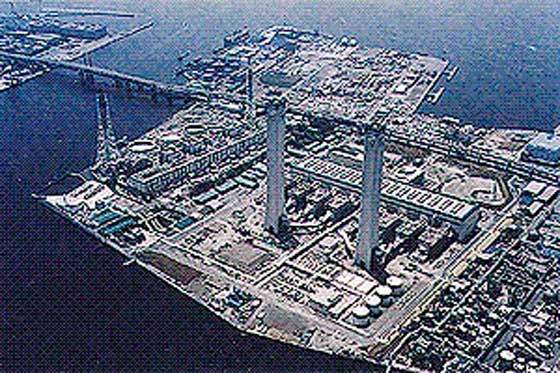
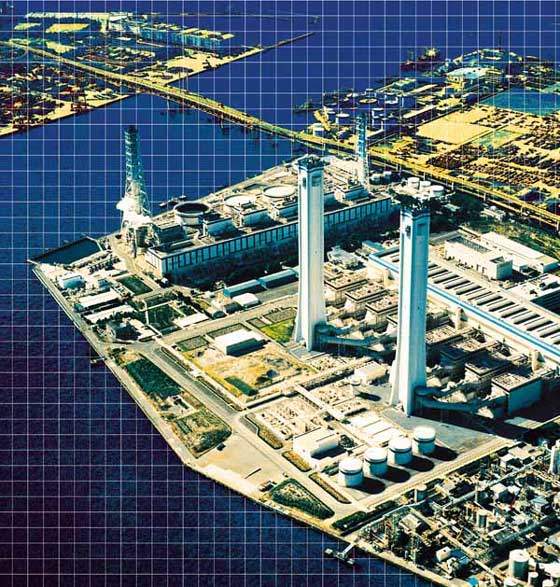
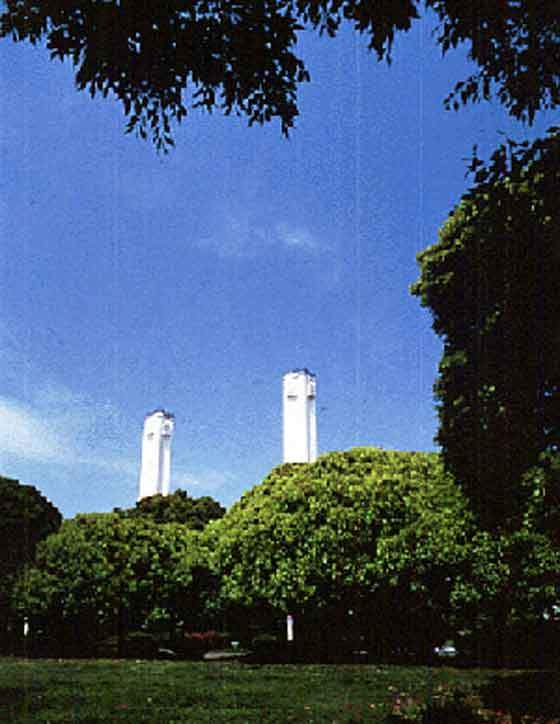
Futtsu combined-cycle power station located in Chiba, Japan, is the world’s second biggest natural gas-fired power plant. The 5,040MW power station consists of four CCGT plants commissioned between 1985 and 2010.
The fourth combined-cycle plant at Futtsu consists of three GE 109H combined cycle systems, each consisting of a gas turbine, a steam turbine and a generator. The H combined cycle system is the first power plant to achieve 60% efficiency while operating at a high temperature of 1,430°C.GE installed the first of three GE Frame 9H gas turbines for the Fattsu-4 plant in October 2006.
Recommended White Papers

Recommended Buyers Guides

Manufactured at GE Energy’s Greenville South Carolina facility, the first 9H was shipped to Japan in June 2006. The first unit started operations in 2008 and provides power to 170,000 houses. The second and third units became operational in 2009 and 2010 respectively.
The agreement to extend the plant was announced in 2001 by Tokyo Electric Power Company (TEPCO), one of the largest power producing utilities in the world. The new H system gas turbines represent what TEPCO refers to as a More Advanced Combined Cycle (MACC) power generation. The project aims to reduce approximately 87,000 metric tons of greenhouse gases every year. It is a part of the Japanese goal to reduce emissions.
CCGT plants at Futtsu
The operating results of TEPCO’s first three CCGT plants at Futtsu were an important element in the decision to build the fourth CCGT plant.
Units One and Two at Tokyo Bay use 14,165MW combined cycle units based on GE’s 9E gas turbines, and produce 2,000MW.
Futtsu Three, commissioned in 2003, is a 1,520MW plant comprised of four 380MW GE 109FA+e combined cycle systems with 55.3% design thermal efficiency.
The new station, Futtsu Four, is another 1,520MW station comprised of three 507MW units using GE’s advanced H system with 58.6% design thermal efficiency.
Yokohama project details
The Futtsu-3 project with thermal efficiency above 54% and low emissions represented TEPCO’s largest commitment to gas-fired CCGT technology. Futtsu Four with even higher thermal efficiency and lower emissions marked an effective response to fuel and environmental concerns. The fourth CCGT plant’s addition took total capacity of the power station to 5,040MW, making it the second biggest thermal power facility in Japan after the Kashima power station.
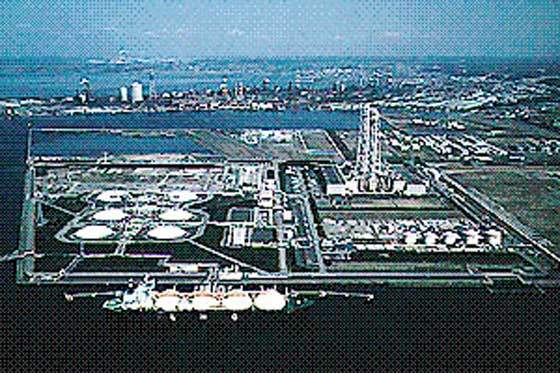
Fuel for the power station is supplied via an underwater pipeline from the nearby Futtsu LNG terminal, which has the capacity to handle nine million tonnes of LNG per annum.
Heavy duty 109FA gas turbine
The heavy duty 109FA gas turbine design was selected for the Futtsu-3 project. Combustion temperature was raised to 1,280°C from 1,080°C in the series E gas turbines used on the earlier Futtsu plant. This was achieved by advances in materials and cooling system technology.
The improved type of combined-cycle system has a power-generating efficiency of 49%, about 5% better than a facility with a conventional turbine, and carbon dioxide emissions are about 8% lower. Nitrogen oxide (NOx) emissions tend to rise with higher efficiency and so a low NOx combustion chamber and a de-NOx device (a selective catalytic reduction system) were installed to control these. Construction methods were also improved to cut costs and reduce completion time. The main equipment was assembled off-site, and materials procurement procedures were streamlined to reduce late deliveries.
Contractors
GE won the Yokohama order, which was worth around $1bn. GE’s Japanese ally Toshiba was involved as a subcontractor. Toshiba designed and supplied heat recovery steam generator equipment. Toshiba had since won a significant number of new plant orders from GE. The 125MW steam turbine and heat recovery steam generator operate with a three-pressure reheat cycle. The steam turbines are of a two-casing, tandem compound, opposed flow, single reheat design.
Tokyo Electric Power has developed its own computer software for systems control. The goal is to reduce control systems costs by ¥500m for hardware and ¥2bn for software. The Yokohama plant was the first installation site for the new in-house developed control software.
Tokyo Electric introduced a newer type of combined-cycle system developed by Mitsubishi Heavy Industries to achieve even greater efficiency. Energy efficiency was increased to 53% by raising the temperature at the turbine intake to 1,450°C. This was achieved using a more heat-resistant material for the turbine fins and cooling the inside of the turbine with water vapour.
Japanese power sector
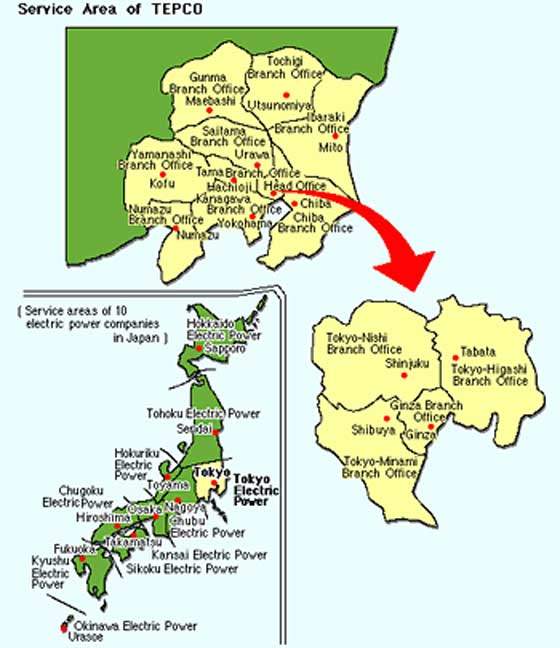
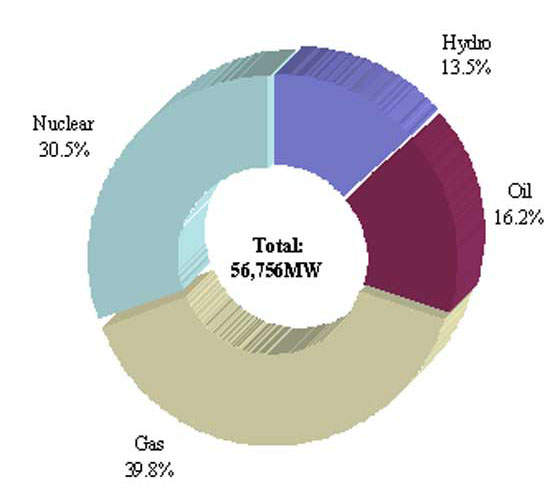
As of 2009, TEPCO supplied electricity to 43.9 million customers in Tokyo, Yokohama and the Kanto region. TEPCO has a generating capacity of around 60GW, produced by fossil fuel, nuclear and hydroelectric power. The company holds stakes in power plants in China, India and Southeast Asia and also has interests in electrical engineering and telecommunications.
