
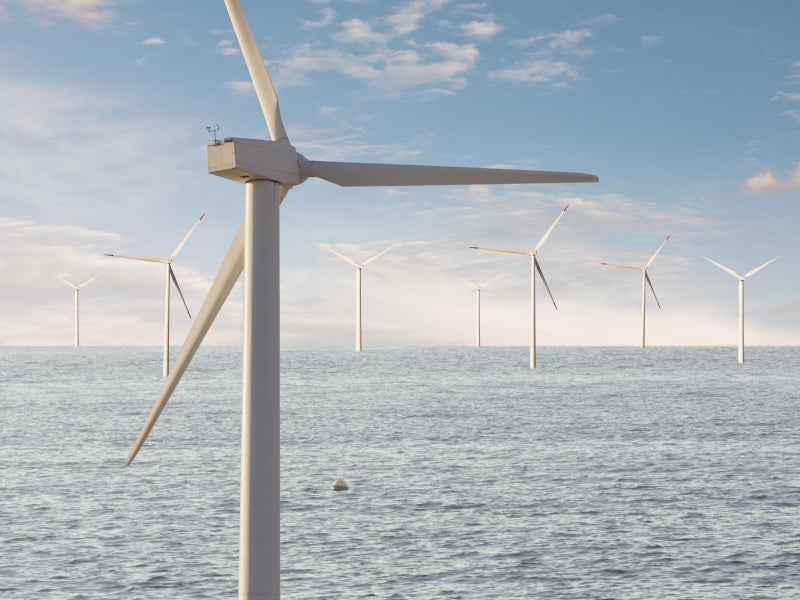
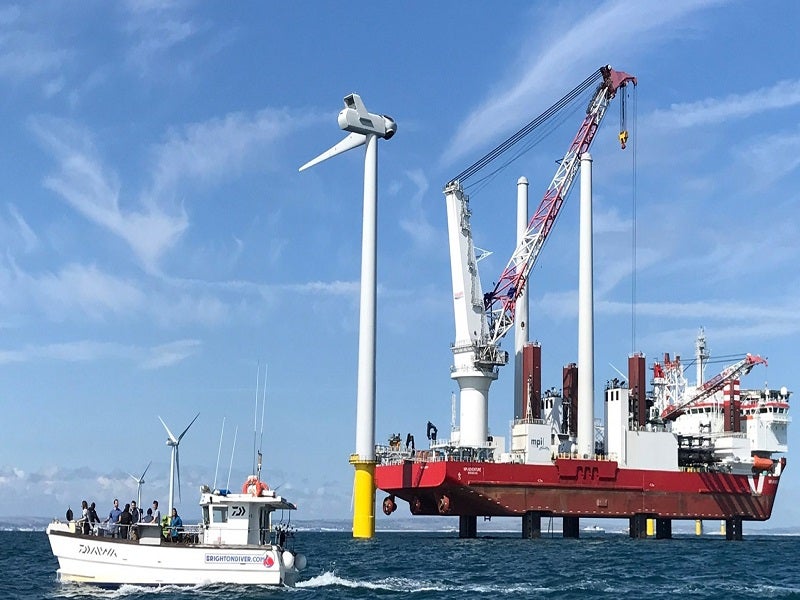
Norfolk Boreas is a 1.4GW offshore wind farm being developed 73km off the coast of Norfolk in the North Sea, UK.
The project, covering an area of 725km2, is part of the Norfolk Offshore Wind Zone, which includes two more wind farms – Norfolk Vanguard West and Norfolk Vanguard East. The three offshore wind farms will have a combined capacity of 4.2GW.
Recommended Buyers Guides

The Norfolk Boreas project was originally developed by Vattenfall, which received consent for the development in December 2021. Vattenfall was awarded contracts for difference at £37.35 per megawatt-hour (MWh) ($44.45/MWh) by the UK Government in July 2022.
In July 2023, Vattefall halted work on the project, citing high inflation and capital costs, which increased by up to 40%.
Subsequently, Vattenfall divested the entire Norfolk Offshore Wind Zone to RWE in a £963m deal in March 2024.
RWE resumed development of the Norfolk Offshore Wind Zone, beginning with Norfolk Vanguard West. The Norfolk Boreas project will be developed subsequently.
The project is in line with the British energy security goal of delivering 50GW of offshore wind capacity by 2030 and is expected to save more than two million tonnes of carbon emissions a year.
Location
The Norfolk Boreas offshore wind farm is part of the Norfolk Offshore Wind Zone, which covers an area of 1,307km2 in the southern North Sea.
Once operational, the Norfolk Offshore Wind Zone will be one of the largest wind power zones in the world, providing clean power for more than four million households.
Norfolk Boreas offshore wind farm details
The Norfolk Boreas offshore wind farm will comprise offshore and onshore components. The offshore component initially included a plan to install 158 offshore wind turbines. The development application was revised in April 2022 and the number of turbines was reduced to 137.
The wind farm will feature wind turbines from wind turbine manufacturer Vestas.
The onshore component of the project will include a substation with electrical equipment, which will connect the offshore wind farm to the UK National Grid.
Grid connection
The power generated from the wind farm is due to be transmitted through offshore cables to an onshore landfall point in south Happisburgh, Norfolk. From this point, the power will be transmitted for another 60km through underground cables to an onshore substation at Necton, where it will be connected to the National Grid.
Geotechnical surveys
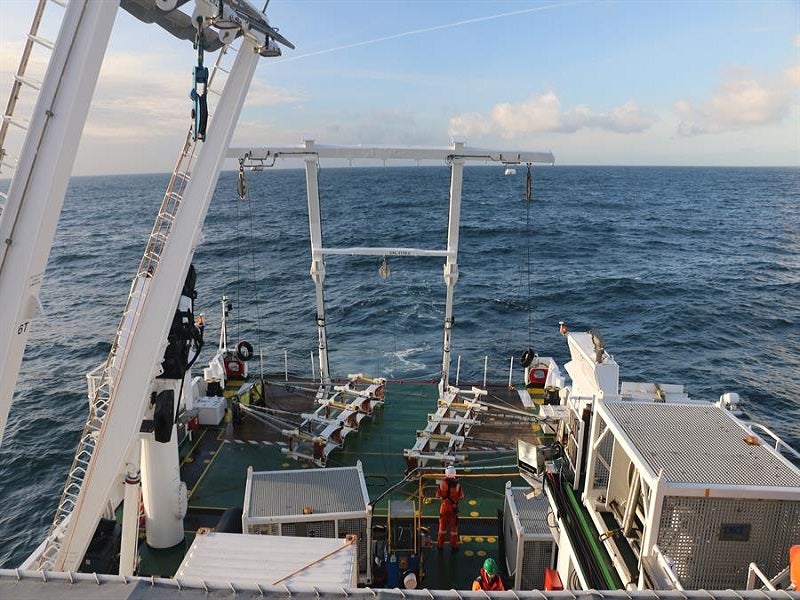
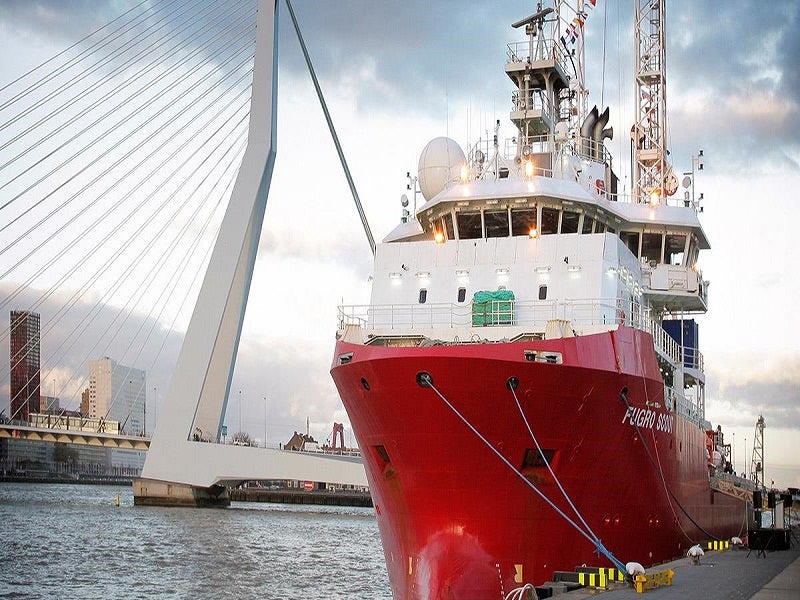
The geotechnical investigations to optimise the wind turbine foundation engineering design and decide the cable routes for the project commenced in June 2020. A four-month marine site characterisation campaign was also carried out in 2020 by the Fugro Scout drill-ship.
The geotechnical investigations include geophysical and unexploded ordnance surveys. A 2D ultra-high-resolution seismic survey was also carried out to evaluate information related to the seabed and shallow subsurface.
The surveys were conducted to support the project design and inter-array cable positioning, as well as increase operational and foundation structure safety.
Contractors involved
Vattenfall signed a preferred supplier agreement (PSA) with Vestas. The PSA included a 1.4MW supply agreement for the Norfolk Vanguard West project and exclusivity agreements for the Norfolk Vanguard East and Norfolk Boreas projects.
In December 2023, RWE partnered with Vestas to continue with the agreement, following the acquisition.
Fugro, a geological data specialist company, was contracted to carry out the marine site characterisation and marine site investigation of the Norfolk offshore wind zone in July 2020 and July 2022, respectively.
A consortium of Aker Solutions, an engineering company based in Norway, and Siemens Energy, an energy technology company based in Germany, was selected as the preferred engineering, procurement, construction and installation contractor for the high voltage, direct current (HVDC) converter platforms in February 2021. The companies were granted the full notice to proceed in January 2025.
Allseas is responsible for the transportation and installation of the HVDC converter platforms.
Royal HaskoningDHV, an independent consultancy, prepared the environmental impact assessment and provided consent as well as planning advice for the project.
UK-based law firm Womble Bond Dickinson assisted in securing the development consent order (DCO) for the project.
Copper Consultancy, a communications, engagement and consultation specialist based in the UK, was involved in the public consultation process for the project, while specialist communications consultancy Built Environment Communications Group was contracted to develop and implement the consultation programme.
RSK Consents Solutions, a consent solutions company, was contracted to secure the landowner agreements for the cable route as well as the necessary consents for the investigatory work during the initial development stages.
Environmental consultancy APEM performed aerial surveys to gather high-resolution data on the distribution and population densities of birds and marine mammals in the project area.
Ardent Management, a property consultancy based in the UK, prepared application documents for the project and provided land services and advice on the DCO.
