

According to GlobalData, in 2025, solar PV became the largest source of renewable electricity generation globally, edging past wind energy. While solar PV delivered 2,800TWh, wind output reached 2,660Wh, helping to smooth energy supplies and improve energy security, reducing reliance on volatile oil and gas markets.
To keep both technologies running smoothly and the grids fed, preventative maintenance is needed at regular intervals to maintain efficiency and reduce the risk of operational failure from breakdowns, grid integration issues, and damage from environmental factors.
As part of this protection strategy, Fluid Control Services (FCS), a company with considerable expertise in the renewables sector, has developed an innovative product that shields the hydraulics system from premature failure.
The need for precision control
The use of the unmatched power density and precision of hydraulics systems make them invaluable across many industries such as mining, construction and heavy industry. In large-scale renewables projects, their function is equally vital by acting as controllers to maximise energy generation. In wind, hydraulics adjust the pitch of the blades, the yaw systems and braking to protect against damaging wind speeds, regulating power output and stabilising the electrical grid. In solar, their role is to maximise energy harvesting through tracking systems, adjusting a PV panel’s position with the trajectory of the sun or in concentrated solar power (CSP) to focus mirrors or lenses.
According to Leigh Carlson, CEO of FCS, highlights: “These technologies are expanding industries, and maintaining efficiency is essential to meet rising energy demands. Protecting these assets from physical damage is key to keeping them running efficiently.”
Why protection first is critical
With many renewable installations situated in remote locations, exposure to harsh environments makes them vulnerable to damage from dirt, water, chemicals, or extreme temperatures. Without protection, these accelerate the wear and tear on hydraulic cylinders, particularly the rods and seals, allowing contaminants to penetrate through the damaged seals and mix with the hydraulic fluid.
As Carlson points out: “Without protection, rods corrode, and companies end up having to re-chrome the rods every few years, an expense that can cost between a few hundred dollars to thousands, plus the cost of downtime for disassembly and, in the worst cases, cylinders may have to be replaced completely.”
Unplanned downtime due to hydraulic system failure can be disastrous. If a hydraulic unit breaks down, key operations stop, and each hour of downtime represents lost productivity and revenue. For example, in the offshore wind industry, where thousands of flexible hose assemblies and hydraulic fittings are critical to operations, a single failure can cause severe delays in energy generation.
Consequently, protecting these systems on the front end is vital to maintain productivity and profitability but also avoid lost energy generation and possible regulatory fines.
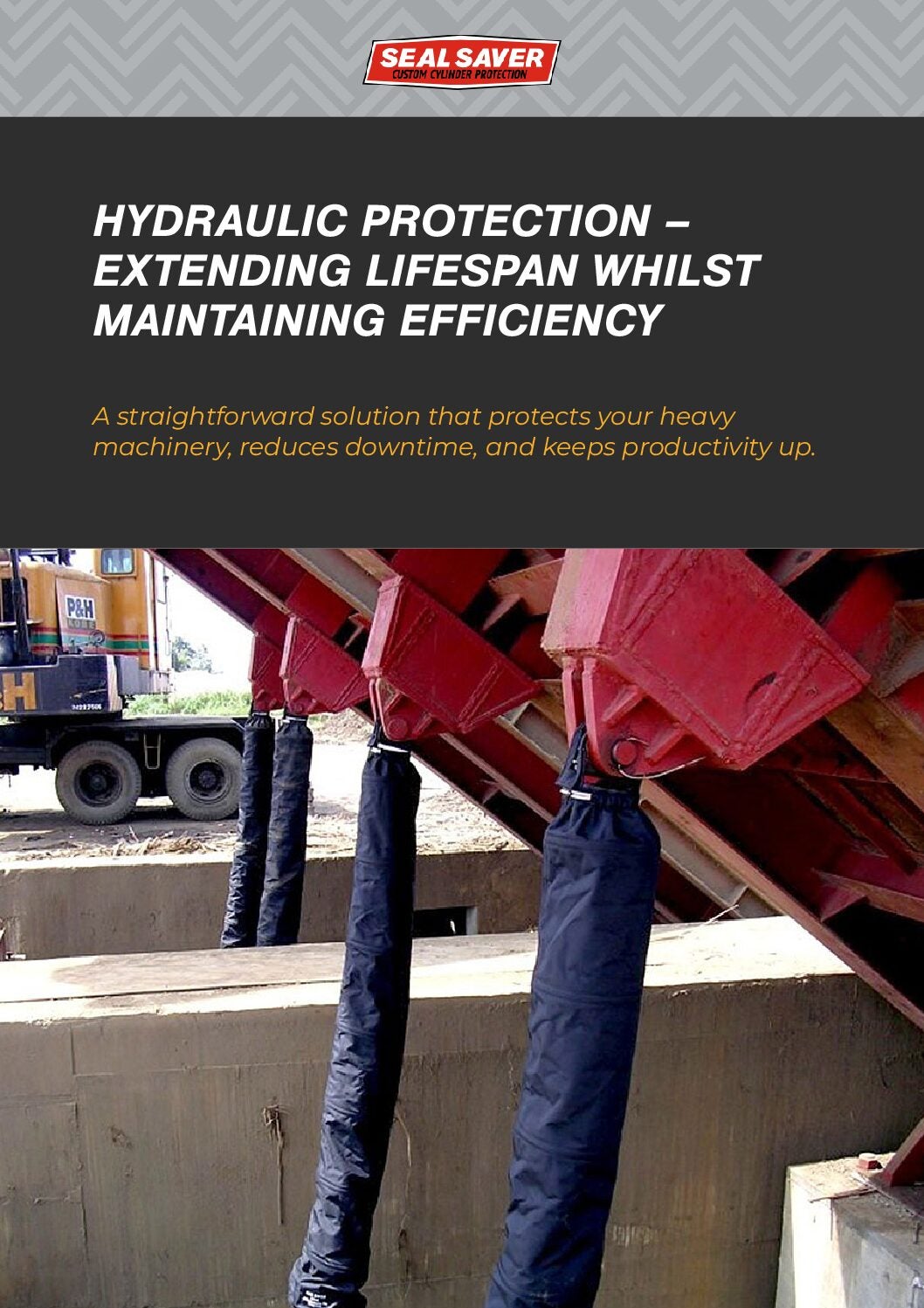
FCS developed a simple yet cost-effective solution in the form of the Seal Saver boot: a shield against hazardous environments that increases the lifespan of equipment, and reduces downtime and repair costs.
Easily installed as part of a maintenance routine, a Seal Saver takes around 15 minutes to fit and provides protection that anecdotal evidence suggests triples the lifespan of a cylinder.
Keeping renewables running
Renewables are no longer seen as the outliers in the energy mix, but a key component contributing clean reliable energy with solar and wind at the forefront of this energy revolution. Maintaining these assets is challenging, but technologies such as Seal Saver’s boot help operators to protect them more effectively, reducing operating costs and stabilising revenue streams.
To learn more about FCS’s Seal Saver solution, download the free report.
