
The Many Roles of Automated Materials Testing in Manufacturing
It’s no secret that automated materials testing helps improve productivity and exponentially increases the number of tests that can be performed over a short period of time.
Tinius Olsen is the leading global specialist manufacturer and supplier of test equipment for proving the strength and performance of materials, components and devices.

You have successfully submitted your enquiry. Someone from our company will respond ASAP
Tinius Olsen is the leading global specialist manufacturer and supplier of test equipment for proving the strength and performance of materials, components and devices. Our machines are used for quality control in support of manufacturing processes, research and development, and education.
Our equipment is used for testing a material or component’s behaviour when exposed to forces in tension, compression, flexural or impact and to determine strength, hardness, impact resistance and flow rate.
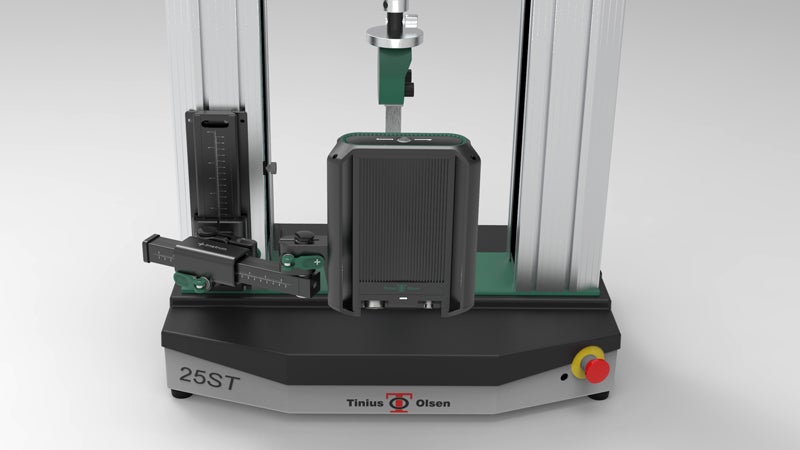
Our products include static testing equipment for either tensile and compression using a single frame, hardness, pendulum impacts, melt flow indexers, heat distortion, Vicat and more to meet your testing needs. Tinius Olsen designs and implements equipment and tests in accordance with key international testing standards including ISO, ASTM and ES.
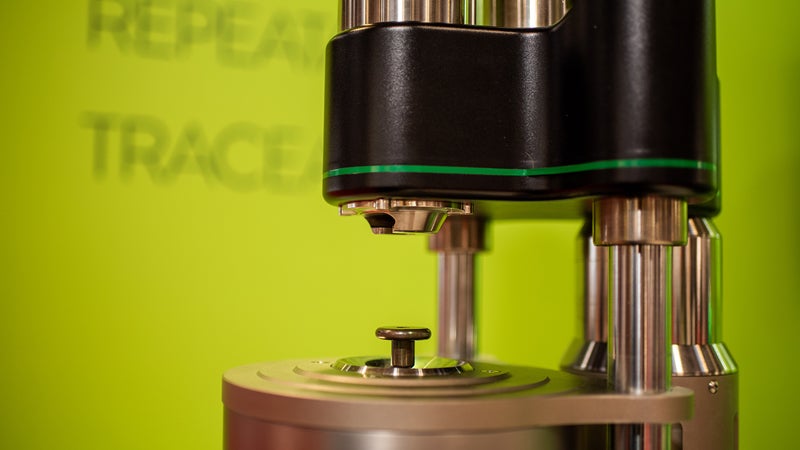
Today all Tinius Olsen systems utilise elements of automation to some extent, from autogripping to full robotic systems. All are designed to support productivity, repeatability and traceability. We have developed scalable technology blocks to automate tensile, compression, flexural, impact, melt flow and hardness tests. Our systems can deal with low milli Newton forces to high thousands of kN and process from 30 to 250 tests a day.
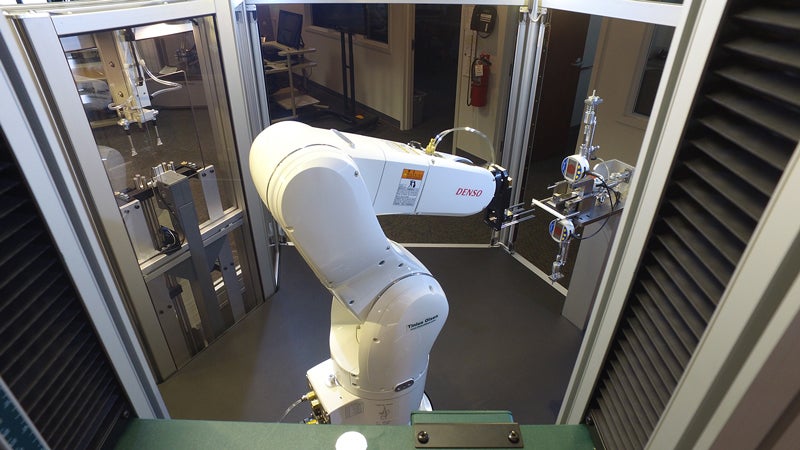
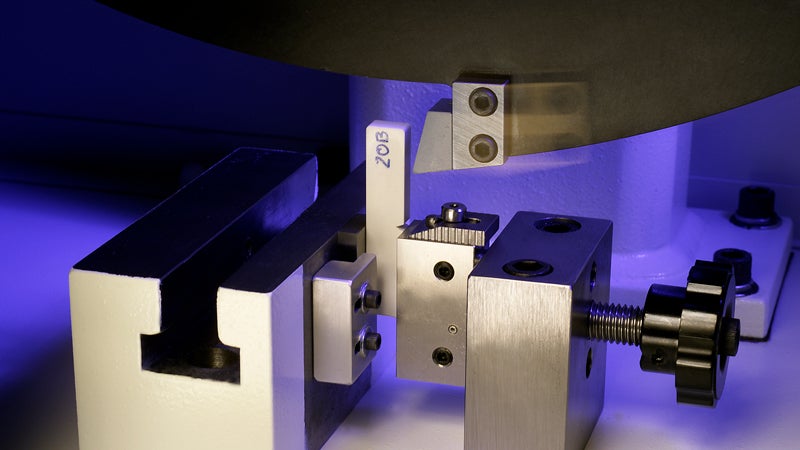
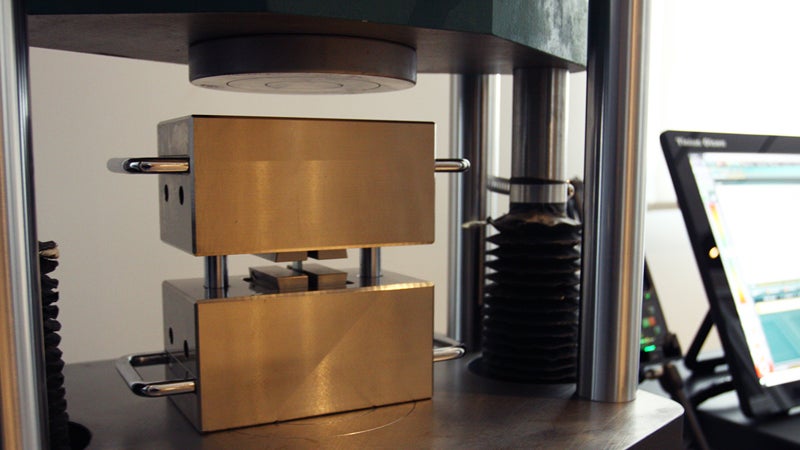
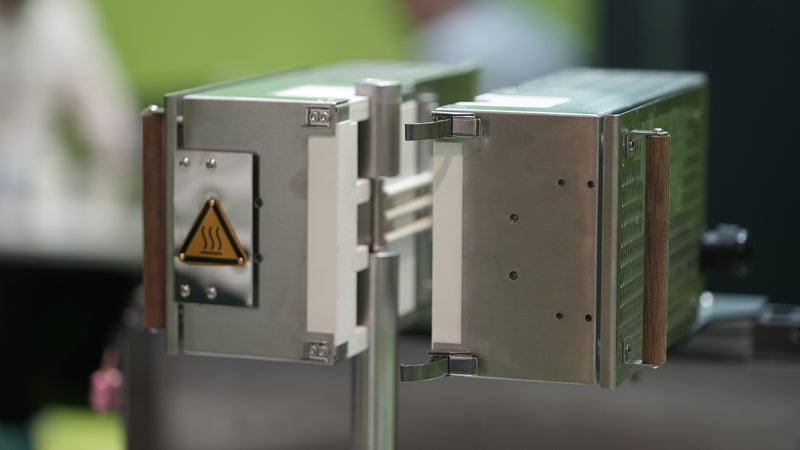
We provide a wide variety of tooling and accessories, from bespoke grips and assemblies to temperature chambers and furnaces.
Tinius Olsen engineers design and manufacture hardware, firmware and software. They are actively involved in standards organizations ISO, ASTM, EN. Thirty percent of our engineers are engaged as committee chairs or senior members. All of our customers have access to our experts and technologists. Through this proactive input in developing international standards, we can show compliance with all relevant standards, meeting our clients’ strategic needs.
Tinius Olsen works with many partners around the world developing and researching new materials and processes, including universities and colleges. We have manufacturing plants in the US, UK and India, and a showroom in China. Our sales and service networks cover almost everywhere around the globe.
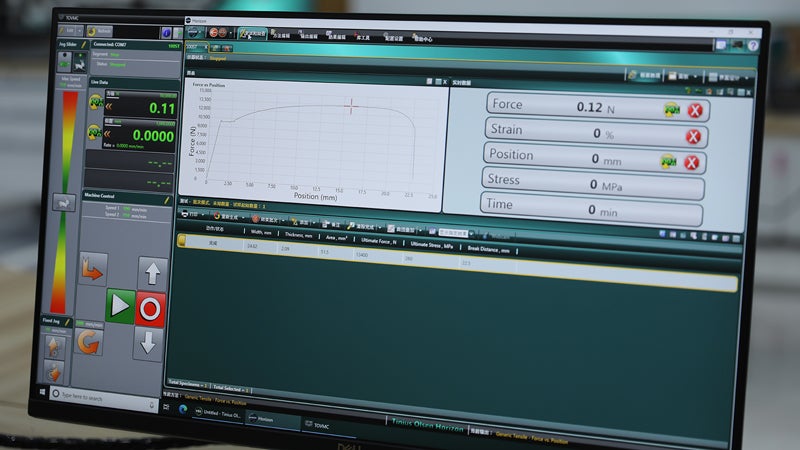
Our Horizon testing software is the link between the material or component under test and the process where the test results are required. It manages multiple operators and those viewing the results, it defines the test methods as per the international standard used, and captures data at high speed showing live real-time results throughout the test. When the test is over, it instantly compares the results with the pre-defined pass/fail limits then alerts and reports to those needing to know.
Horizon is a fully network-capable platform using an SQL database able to meet even the most rigorous compliance and traceability needs of those in the aerospace, automobile and consumer product industries.
It is future-proofed through Tinius Olsen’s status as a formal software developer and includes built-in diagnostics and support tools.
Tinius Olsen is constantly innovating and evolving in the testing sector. Vector is a step change in extensometer technology capable of replacing multiple contacting and non-contacting sensors with a single, industry specific instrument.
Integrating adaptive AI capabilities with optical hardware, Vector reduces test throughput times and complexity, automating the process of capturing strain, improving measurement accuracy, data consistency and operator safety.
Efficient, simple and reliable, Vector has advanced functionality and offers extremely rapid ROI.
Tinius Olsen was born in Kongsberg, Norway in 1845. He graduated from the Horten Technical School in 1866 and became the foreman of the machine department at a large naval machine shop. At age 24, he left for the US and arrived in Philadelphia, where he found employment with William Sellers and Co as a designer.
Olsen soon moved to a small workshop run by the Riehlés brothers and made his mark designing the first boiler-plate tensile testing machine for paddle steamers working the Mississippi.
The new device proved a success and Olsen was invited to take over the workshop, becoming director of the Riehlés plant in 1872. His pioneering contributions to the emerging field of materials testing included vertical and horizontal machines for materials used in bridge construction, locomotive boilers and other industrial goods.
He left Riehlés in late 1879, with ideas of designing a revolutionary device at the time, a universal testing machine. He set about making the drawings for his new machine and on February 2, 1880, Olsen submitted a patent application for a “new and useful improvement in testing machines,” which was granted on June 1, 1880 and the ‘Little Giant’ was born. The Tinius Olsen Testing Machine Company was established later that year.
The Little Giant won gold medals at industrial expositions in Cincinnati and Atlanta in 1881. By the next year Olsen had an order for the first 200,000lbf testing machine ever made and, as an example of his diversity, he also built a machine to test the tensile strength of feathers! Olsen continued to innovate in the testing machine field for decades thereafter.
Olsen retired from the company in 1929 and died in 1933.
It’s no secret that automated materials testing helps improve productivity and exponentially increases the number of tests that can be performed over a short period of time.
Evaluating the behavior and performance of materials under high-temperature conditions is critical to many industries, including aerospace, energy and automotive.
Although there are several versions of both contact and non-contacting extensometers in material testing — most of which are deemed cost prohibitive, extremely complicated to integrate or that lack the needed repeatability — extensometry has not changed all that much since it’s standardization in the 1950s.
Global manufacturers Cooper & Turner, who have established operations in the UK, China and USA, have provided this vital division of the renewable energy industry for over 25 years, producing bolts and fixings for the entire wind turbine structure. This includes towers in some of the most hostile environments in the world, such as off-shore wind farms.
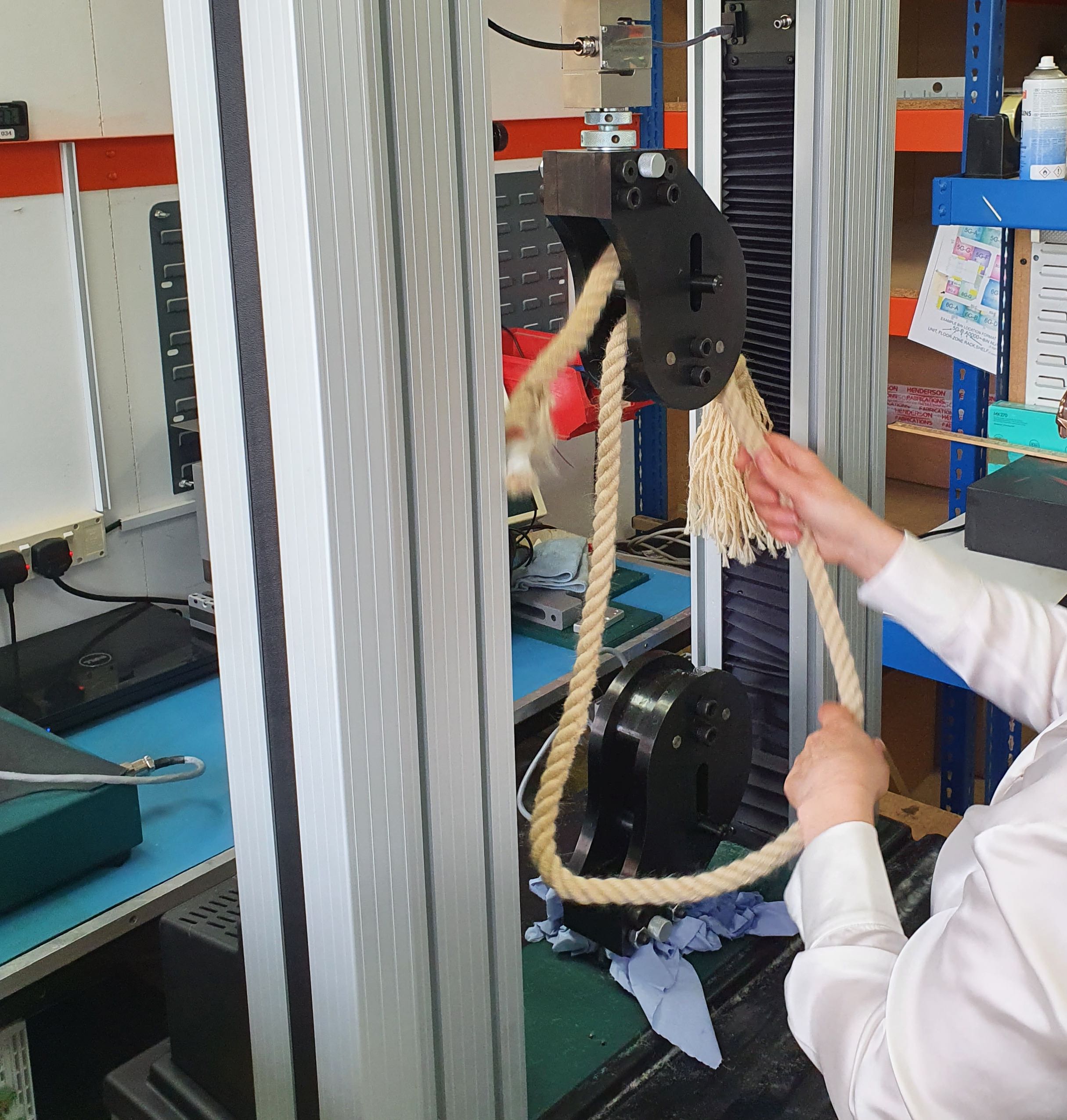
The damage being wrought on the world’s ocean eco-system by the use of plastic rope within the fishing and aqua-culture industry is well documented. With the raw materials of eco friendly options, such as manila and sisal, almost impossible to acquire in the UK, the humble sheep may prove to be the answer for one sector at least, seaweed farming.
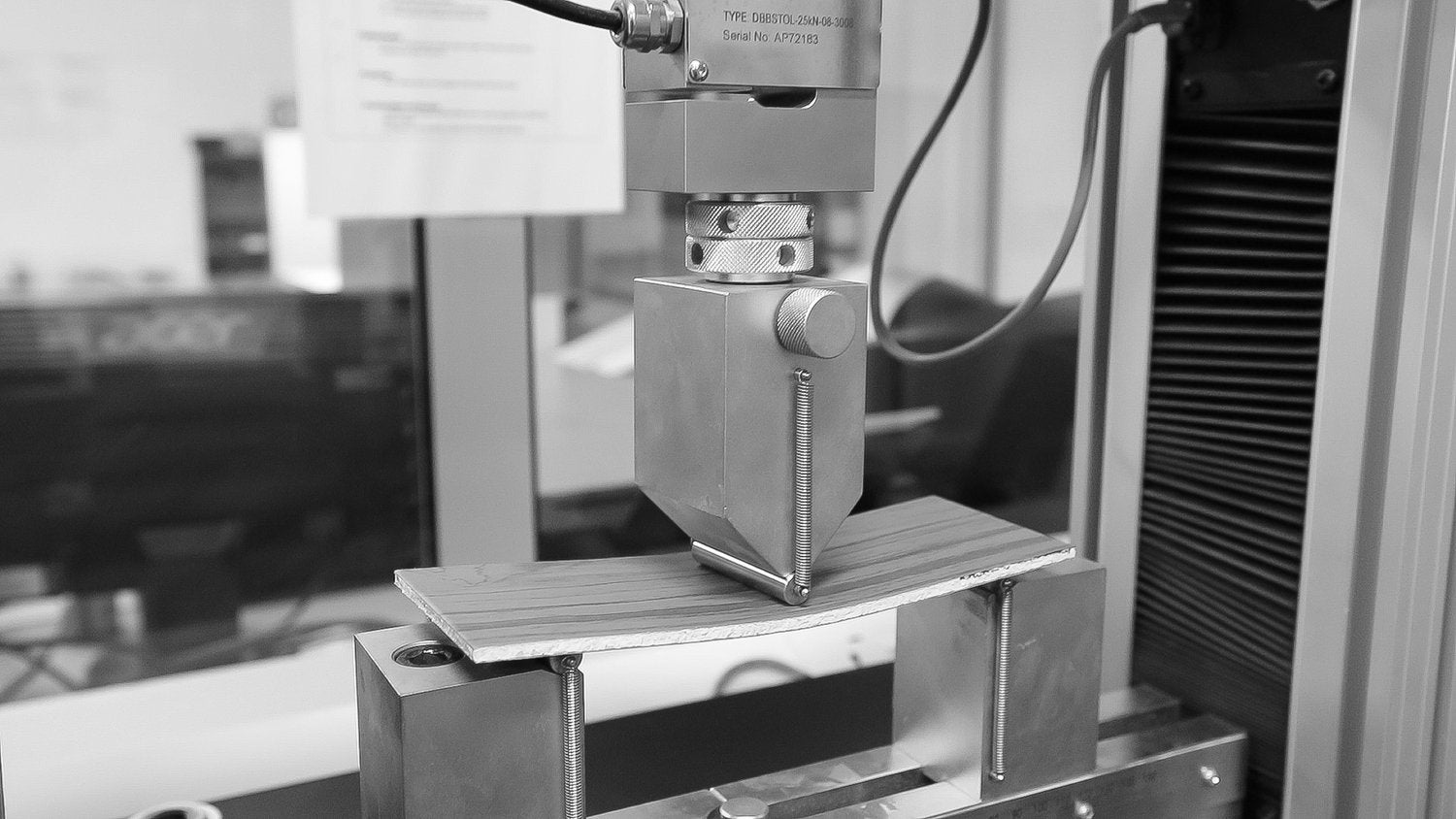
The leading manufacturer of aluminum composite panels in the Middle East, who are also delivering on their goal of achieving a sustainable business ecosystem, have been benefitting from the input of Tinius Olsen equipment and ongoing support.
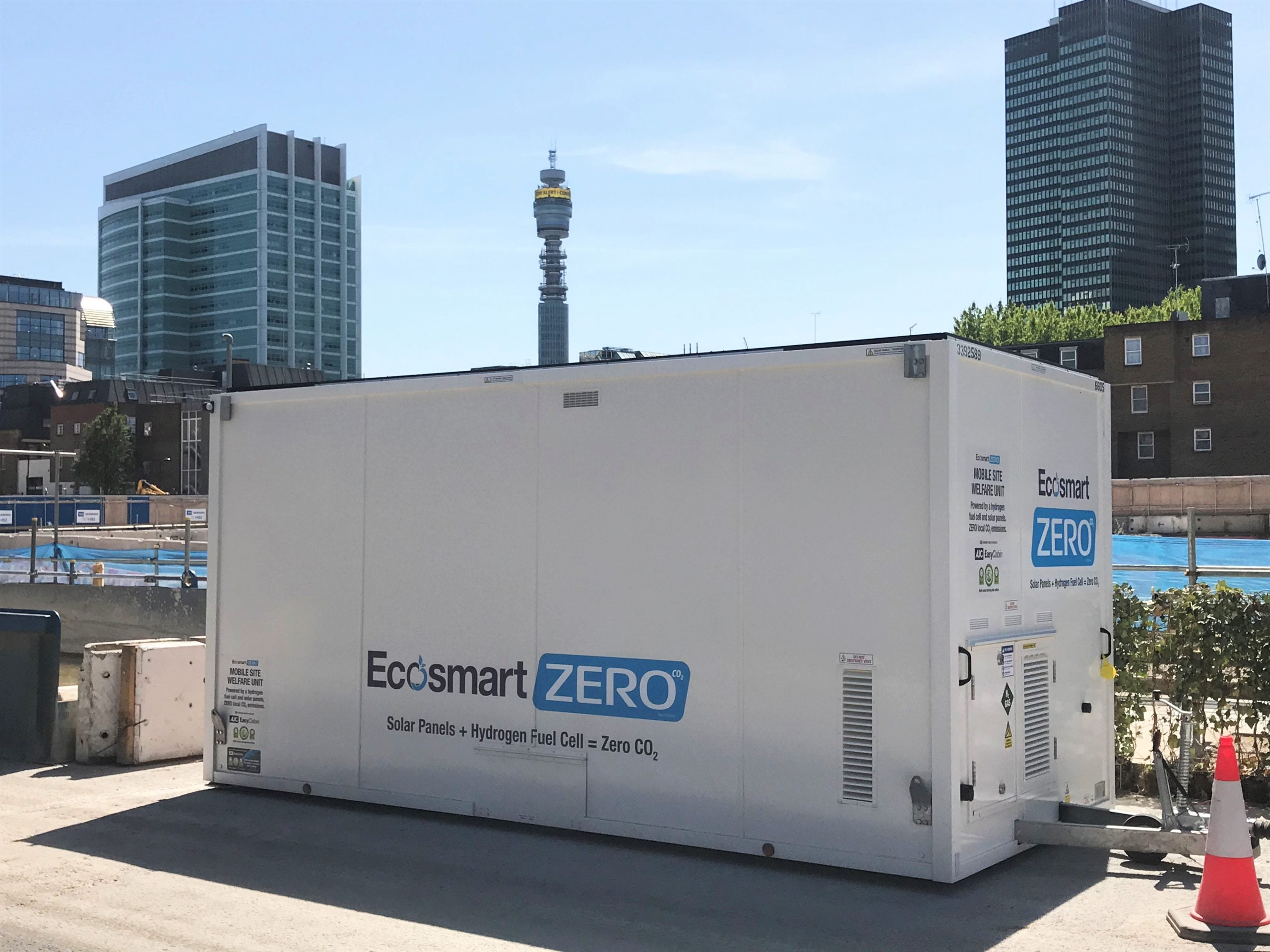
The race to meet net zero is hotting up as the development of alternatives to battery power start to come online. Tinius Olsen is currently supporting one of them alongside the UK’s leading developer of hydrogen fuel cell technology, Intelligent Energy.
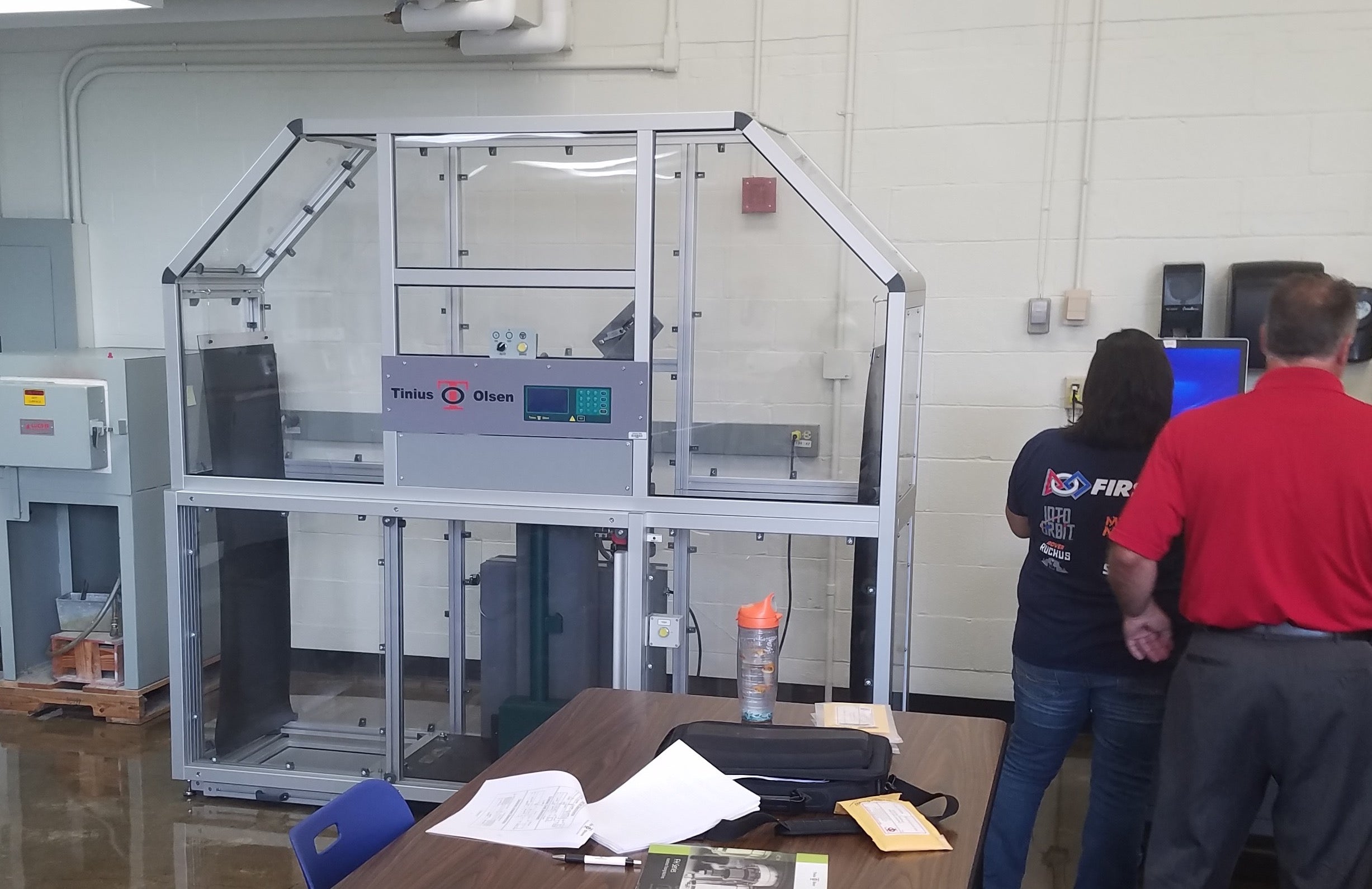
Tinius Olsen has helped one of the leading Technical Colleges in America, the Cincinnati State Technical and Community College, to up-grade and further develop its materials testing laboratory.

How bottles and jars are changing the face of civil engineering projects and the testing needs behind it all.

Tinius Olsen have been supporting the London South Bank University School of Engineering in testing a unique one way hinge developed from the wings of insects.