
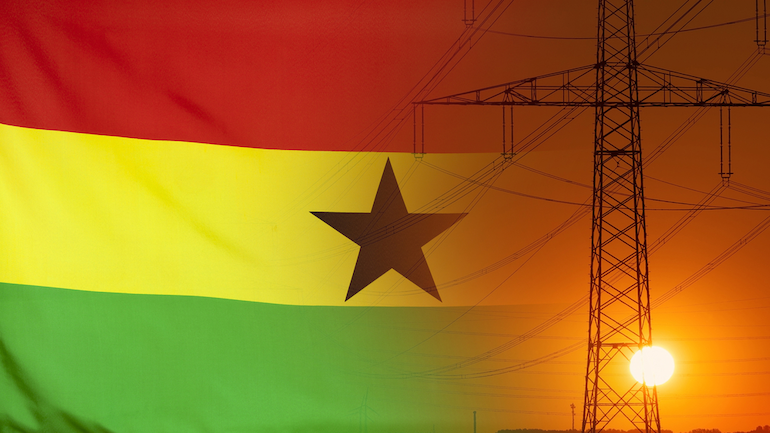
On 29 July, Ghana suffered a major blackout of its electricity supply system, leaving the capital Accra and commercial hub Kumasi, as well as much of the north of the country, without electricity for 18 hours. In some areas the effects lasted longer, as consumers suffered further interruptions.
The outage began in the early hours of 29 July following a disturbance on the National Interconnected Transmission System at 3.11am, which caused several generating plants to trip simultaneously and shut down. GRIDco, the state-run power distribution company, activated emergency procedures and “worked with power sector stakeholders” to bring electricity back online while launching a full technical investigation. At the time of writing it could not say how long it would take for normal supplies to fully resume.
Go deeper with GlobalData

Discover B2B Marketing That Performs
Combine business intelligence and editorial excellence to reach engaged professionals across 36 leading media platforms.
From its preliminary investigation, GRIDco has identified the cause as a lightning strike. Further details are not yet available as GRIDco is still awaiting more detailed reports. It has launched a comprehensive investigation and has promised to provide updates as more results emerge.
Ghana has suffered regular power shortages for several years – they are popularly known as ‘dumsor’, meaning ‘on and off’ in the Akan language – but reportedly the situation has been improving. The country generates electricity domestically using natural gas, hydropower (such as the Bui Dam) and thermal plants. Overall it is a power exporter to neighbouring countries. It engages in energy trades and fuel exchanges in the West African power pool. Most of the country’s hydropower plants are ageing, having reputedly suffered from poor maintenance over the years. The addition of gas to the mix has eased power cuts, but the sector remains vulnerable to transmission failures and fuel supply interruptions.


