
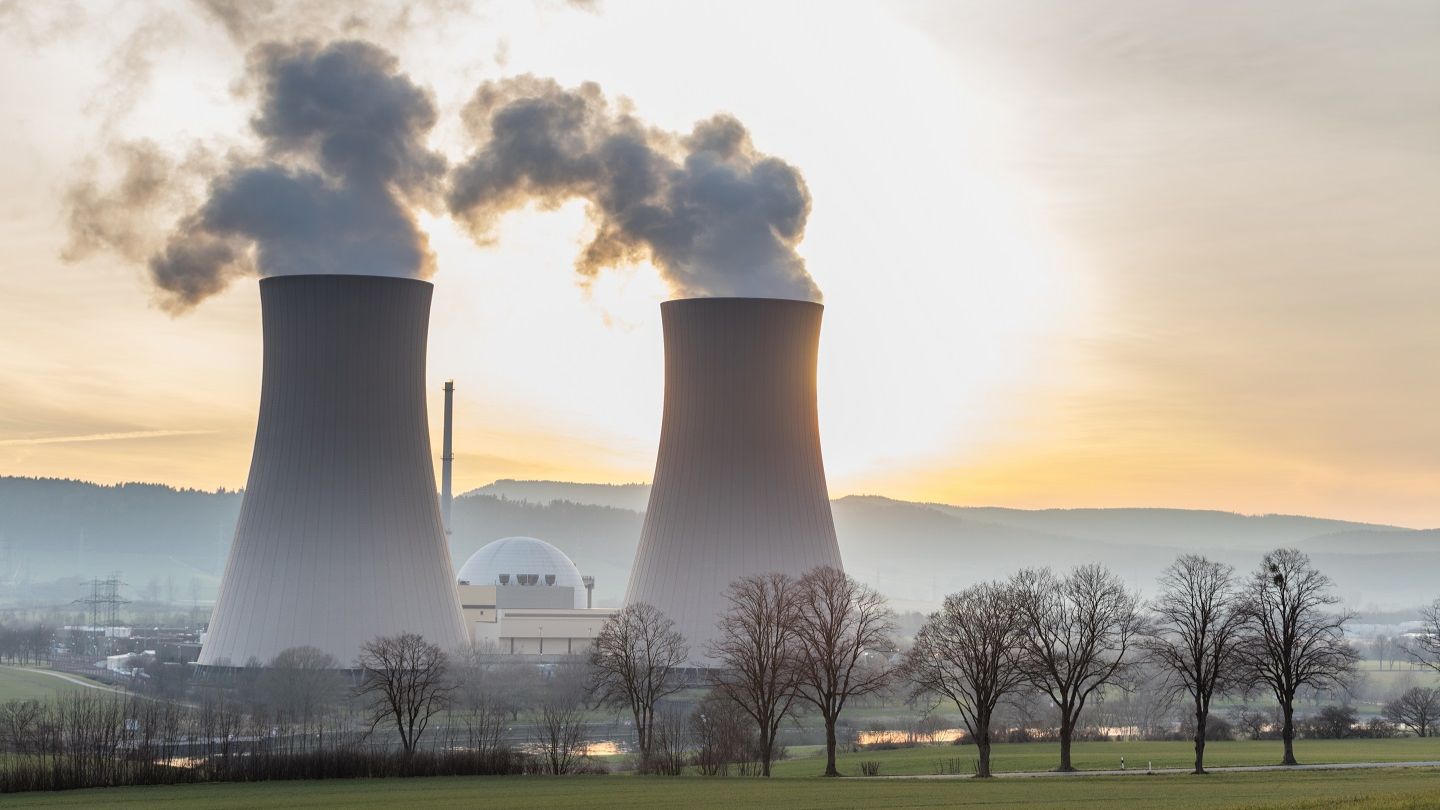
A nuclear reactor in India has reached first criticality following the commencement of a controlled self-sustaining reaction on 17 December.
The plant, known as the Kakrapar Atomic Power Project unit 4 (KAPP 4), contains a 700MW heavy water reactor designed in India. KAPP 4 is the second in a series of 16 units, with the first, Kakrapar unit 3, having gone into commercial operation in 2023.
Go deeper with GlobalData


Discover B2B Marketing That Performs
Combine business intelligence and editorial excellence to reach engaged professionals across 36 leading media platforms.
India’s Atomic Energy Regulatory Board completed several safety reviews on the plant and granted permission to start the reactor on 11 December. In compliance with regulations, the reviews will continue as power levels continue to reach a crescendo. Should all go to plan, the reactor will be connected to India’s electricity grid.
Both units are located in Gujurat, where two 202MW pressurised-water reactors (PHWRs) have also been in operation since the 1990s. Construction on the two newer units began in 2010, which involved pouring nearly 1.4 million cubic metres of concrete and required 21,000 tonnes of structural steel.
India currently has 22 operable nuclear reactors producing around 3% of the nation’s electricity. Expansion is on the agenda as the government wants 9% to be derived from nuclear by 2047, increasing installed capacity from 7.48TW to 22.48TW, thus diminishing reliance on coal.
There are currently two 700MW PHWRs under construction at the Rawatbhata 7 and 8 units in Rajasthan, with further units planned at Kaiga in Karnataka; Chutka in Madhya Pradesh; Gorakhpur in Haryana; and Mahi Banswara in Rajasthan.
Jitendra Singh, Minister of State for the Ministry of Science, confirmed that land in Chutka has been purchased for the construction of the two 700MW PHWRs and transferred to the Nuclear Power Corporation of India. Singh said the estimated cost of this will be Rs21,000 crore ($2.5bn).



