
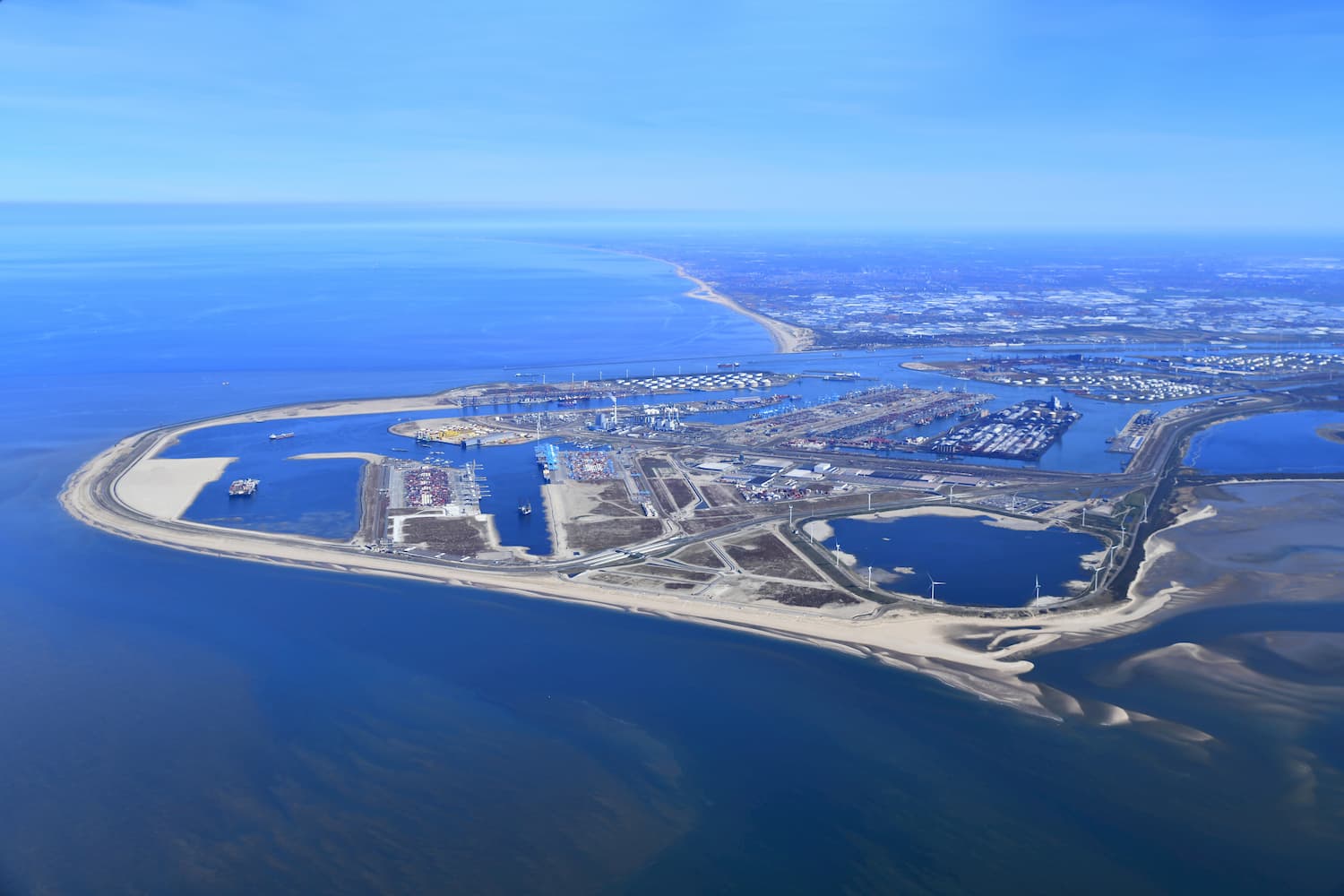
The Port of Rotterdam Authority is developing an 11-hectare (ha) site on the Maasvlakte that will be suitable for a green hydrogen plant capable of generating up to 1GW.
The site offers space for up to 1GW of electrolysis and is located next to the planned location of the Tennet Amaliahaven (380kV) high-voltage substantiation. This is also the location of the 2GW DC cable from the IJmuiden Ver Wind Farm Zone Beta and a new hydrogen pipeline. The site also lies close to the Evides water pipeline.
Go deeper with GlobalData


Discover B2B Marketing That Performs
Combine business intelligence and editorial excellence to reach engaged professionals across 36 leading media platforms.
The Port Authority said it is exploring the possibility of connecting the Maasvlakte hydrogen plants to regional heat networks.
In order to allocate the site for hydrogen production, the Port Authority said it is consulting with the municipality and DCMR Environmental Protection Agency on amending zoning plans. Currently, the site has permissions for container storage.
The authority said that the reason for the site’s development is the tender for the IJmuiden Ver Wind Farm later this year. The farm is expected to have a capacity of 2GW and has an estimated completion date of 2028. According to the Port Authority, several parties have already indicated investment interest.
The authority will reserve 11ha on the Maasvlakte exclusively for the party that wins this tender. The minister for climate and energy announced the draft ministerial regulations for Zone Beta in late March.
Allard Castelein, Port of Rotterdam Authority CEO, said: “The construction of a hydrogen plant with a capacity of 1GW is the next leap in scale in the production of green hydrogen.
“Several companies are now building, or have advanced plans to build, electrolysers with a capacity of 200–250MW at the Maasvlakte. These would currently be the largest in Europe, but we already want to accommodate the next generation of hydrogen plants. These are expected to be five-times larger.”
The authority aims to achieve 2.5GW of electrolysis by 2030, with the Dutch government aiming for 4GW nationwide.


