
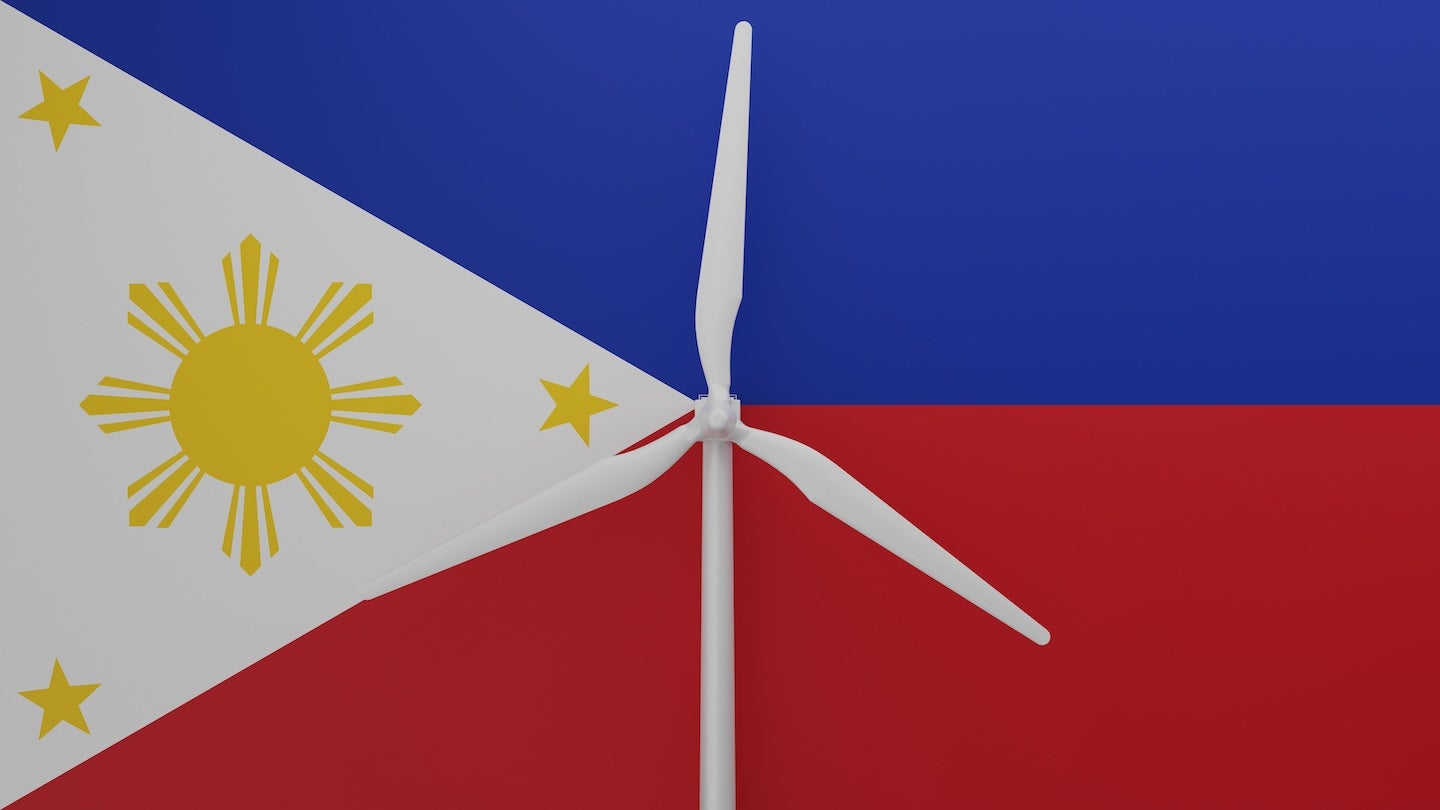
GlobalData’s latest report, ‘Philippines Power Market Outlook to 2035: Market Trends, Regulations, and Competitive Landscape‘, provides a comprehensive assessment of the Philippine electricity sector. The report analyses installed capacity in GW, electricity generation in terawatt-hours (TWh), technology mix, and regulatory developments across the historical period from 2020 to 2025 and the forecast period from 2026 to 2035. It also evaluates market drivers, policy frameworks, infrastructure investment, and competitive dynamics using GlobalData’s proprietary databases, primary and secondary research, and in-house analytical expertise.

The Philippines operates an archipelagic power system with limited interconnections, where ensuring system reliability and meeting growing electricity demand remain key priorities. The power sector has historically relied on coal-fired generation for baseload supply, with renewable energy largely concentrated in geothermal and hydropower. In recent years, solar and wind capacity has expanded as part of a broader transition in the generation mix. Within this framework, total renewable power capacity is projected to increase from approximately 7.1GW in 2025 to around 30GW by 2035.

Access deeper industry intelligence

Experience unmatched clarity with a single platform that combines unique data, AI, and human expertise.

Find out more

Philippines renewable power market

Source: GlobalData Power Intelligence Center | Note: f = forecast

Renewable energy expansion is being driven by regulatory and investment reforms, including the liberalisation of foreign ownership rules, which now allow full participation of foreign investors in renewable energy projects. Policy mechanisms such as the Renewable Portfolio Standards and auction-based procurement under the Green Energy Auction Program are creating long-term demand visibility and supporting large-scale project development. In addition, initiatives such as EVOSS and the Green Lane are improving permitting processes and accelerating project execution timelines.

Onshore wind and solar photovoltaic technologies account for the majority of renewable capacity additions through 2035. Solar PV capacity is projected to increase significantly from approximately 3.6GW in 2025 to around 18.7GW by 2035, supported by utility-scale deployment, rooftop installations, and declining technology costs. Wind capacity is expected to grow from about 0.5GW to around 7.4GW over the same period, with both onshore and offshore developments contributing to expansion. While offshore wind has a substantial long-term pipeline, most projects remain at an early stage and are subject to permitting, financing, and grid readiness constraints.

Thermal generation continues to dominate the Philippines’ power mix, particularly coal-fired capacity, which is projected to increase from approximately 13.0GW in 2025 to around 15.4GW by 2035, maintaining its role in baseload supply. Natural gas capacity is expected to expand from about 5.1GW to over 10.3GW, supported by LNG import infrastructure and new gas-fired projects. Oil-based capacity is projected to remain relatively stable at around 3.4GW, primarily serving peaking and backup requirements.

In addition to thermal and renewable expansion, nuclear power is expected to emerge as a new component of the generation mix, with initial capacity projected to reach approximately 0.3GW by 2035, supporting diversification of the electricity system.

Looking ahead, renewable capacity growth in the Philippines is expected to be driven by solar PV and wind, supported by auction mechanisms, policy frameworks, and improving investment conditions. While renewable energy will expand significantly, coal and natural gas are expected to remain central to ensuring system reliability and grid stability, with nuclear power gradually contributing to baseload generation over the longer term.