

On an offshore platform in the North Sea, surrounded by nothing but kilometres of salt water and almost a hundred men, Kine Årdal was one of just two women on board. It was early in her career, and moments like this made painstakingly clear the gender imbalance of the industry she loved.
This, however, didn’t stop her from pushing forward, and her persistence paid off.
Go deeper with GlobalData

Discover B2B Marketing That Performs
Combine business intelligence and editorial excellence to reach engaged professionals across 36 leading media platforms.
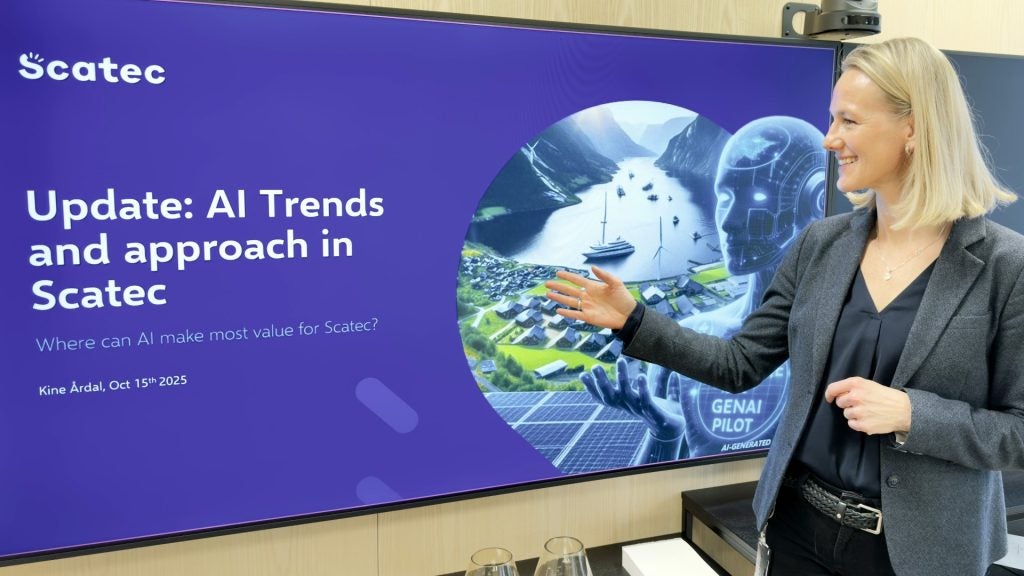
More than two decades later, Årdal is the Chief Digital and Information Officer (CDIO) at Scatec, a Norway-based renewable energy leader. She oversees the company’s digitalisation agenda, shaping how technology and data support everything from operational efficiency to long-term growth.
Her career unfolded across various disciplines and company sizes, spanning oil and gas, digital innovation and renewables. What connected it all was curiosity, she says, and a willingness to step into spaces where she didn’t always feel comfortable or welcome.
The digital bridge: from oil and gas to renewables
Årdal began her professional development at Chevron, where she spent nearly eight years having joined as an exploration geologist and worked her way up to become lead geologist for the North Atlantic Margin.
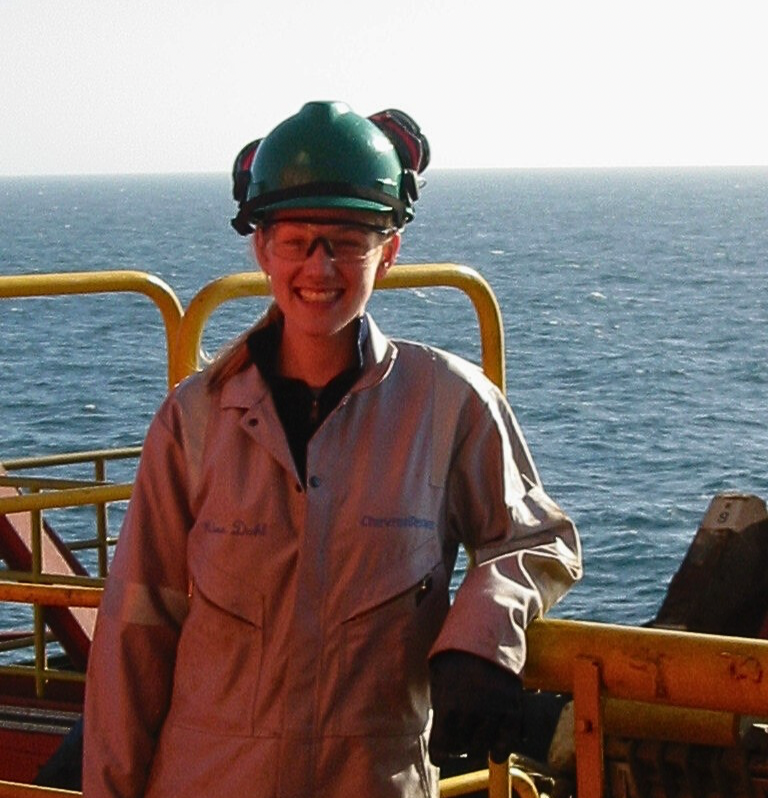
Despite this impressive feat, she doesn’t frame these early days as the beginning of a march toward the C-suite, but rather a “trigger for [her] interest in digitalisation”, driven by a love of problem-solving.
“It was like detective work,” she recalls of her first role in exploration. She found thrill in piecing together fragments of data and geology to uncover what lay beneath the seabed.
Those years gave her both technical depth and exposure to the global stage. “It was great for learning and for building an international network, especially early in my career.”
After Chevron, she moved to Spring Energy (later fully acquired by Tullow Oil), a much smaller company with around 30 employees. While Chevron was “a large corporation with a very structured approach to career development”, here, she realised she had to pave her own way proactively.
Thus, Årdal, soft-spoken by nature, racked up the courage to articulate her aspirations: “I told my manager that I wanted to become an exploration manager.”
His response? “Wow, you’re very ambitious.”
Although not the most encouraging feedback in the moment, she wasn’t disheartened. After all, it was true – she was ambitious – and she had the prowess and tenacity to back it up.
A couple years in, she brought her ambitions to fruition, given the opportunity to lead a multidisciplinary exploration technology team of geoscientists and IT specialists. “Even if ambitions surprise people at first, it’s good to express them. Managers aren’t mind readers,” she remarks.
This is also where Årdal’s digitalisation journey kicked off, interpreting seismic and well data as well as leveraging digital technologies to conduct prospect evaluation and portfolio analyses. “In exploration, it’s not just about finding oil and gas. It’s about finding insights before your competitors.” This determination to unlock better ways of working drove her deeper into the world of digitalisation.
She continued this pursuit at Pandion Energy, where she built the company’s oil and gas data analytics platform as digitalisation manager. Simultaneous with her digital awakening, however, Årdal began questioning whether to shift to clean energy. “Making a shift in industry isn’t easy. My network and experience were all in oil and gas.”
Digitalisation became the bridge.
After a brief tenure at AI and software company Cognite, she landed her current role as Scatec’s CDIO to lead digital strategy across a global renewable energy portfolio. “Even though the data and business models are different, many of the challenges and solutions [for hydrocarbons and renewables] are similar,” she notes.
Årdal doesn’t consider the move as a rejection of her past. “I find energy so exciting – whether oil and gas or renewables, I love unlocking value from data and information.”
Navigating male-dominated industries
Today, Årdal sits in a role that places her firmly in leadership territory. But this didn’t always feel possible earlier in her career, as she navigated through industries where women were – and for the most part, still are – underrepresented.
Being a woman didn’t always hold her back. Even when working offshore, where 98% of the workers were men, she says: “I was treated well, and there was a good, collaborative atmosphere for women.”
However, pregnancy was another story. On the cusp of a leadership programme, she was suddenly seen as “not fit” for the role anymore. “It was one of those moments where I wondered whether it would have been easier if I were a man,” she admits.
She also describes subtler instances in which she felt sidelined. She reflects on her experience at meetings: “I don’t have the loudest voice in the room. And if you don’t have the most assertive voice in the room, you might not be heard.”
While these moments stayed with her, she doesn’t look back with any regrets. “Having children was the best thing that happened to me, and I stand by that decision.”
She found solace in getting perspectives from other women in the industry. When she joined Norway’s Female Future programme – a leadership and board education initiative – she experienced, for the first time, a “safe space” to openly share experiences working in male-dominated industries. “That support network is incredibly important.”
But most important in managing gender bias at work was the offset she got at home. She and her husband have always shared responsibilities, as breadwinners and as parents “because equality only matters if it’s practiced”, she stresses. This balance and teamwork ultimately supported both their careers and restored her confidence amid discouraging moments at work.
“Career progression is a family project – you need collaboration at home.”
Årdal didn’t let obstacles get to her; she carried on. “If one path didn’t work, I looked for another. I stayed curious and continued to learn and challenge myself.”
Over time, the digital chief learned techniques to “make her presence clear” in male-dominated environments, going against her gentler and more reserved inclinations to “speak up, raise her hand and at times, physically lean forward”.
This assertiveness also translated into career shifts. She recalls when considering a move away from oil and gas, she cold-called people outside her network and pitched what she could offer. All but one person called her back, and that call set her career transition in motion.
A woman in power: learning to lead
For all the momentum that comes with reaching senior leadership, Årdal is quick to dispel the idea that power equals certainty. If anything, she says, the final steps up the career ladder require not overconfidence or self-criticism, but self-reflection.
“It’s important to be honest with yourself and ask, ‘what do I need to learn?’ and work on those aspects,” she advises. “You don’t need to do it yourself. Get feedback from your network and managers on what you need to improve to prepare for a leadership role.”
She notes that timing matters, so patience and persistence are key. “It might take time to upskill, and the right role may not be available even once you do, but put in the work and you’ll be ready when it is.”
This doesn’t mean just sitting tight. She emphasises that “visibility can open opportunities”. Network actively, attend conferences and speak at public forums, she urges, and “you can find yourself in the right place at the right time”.
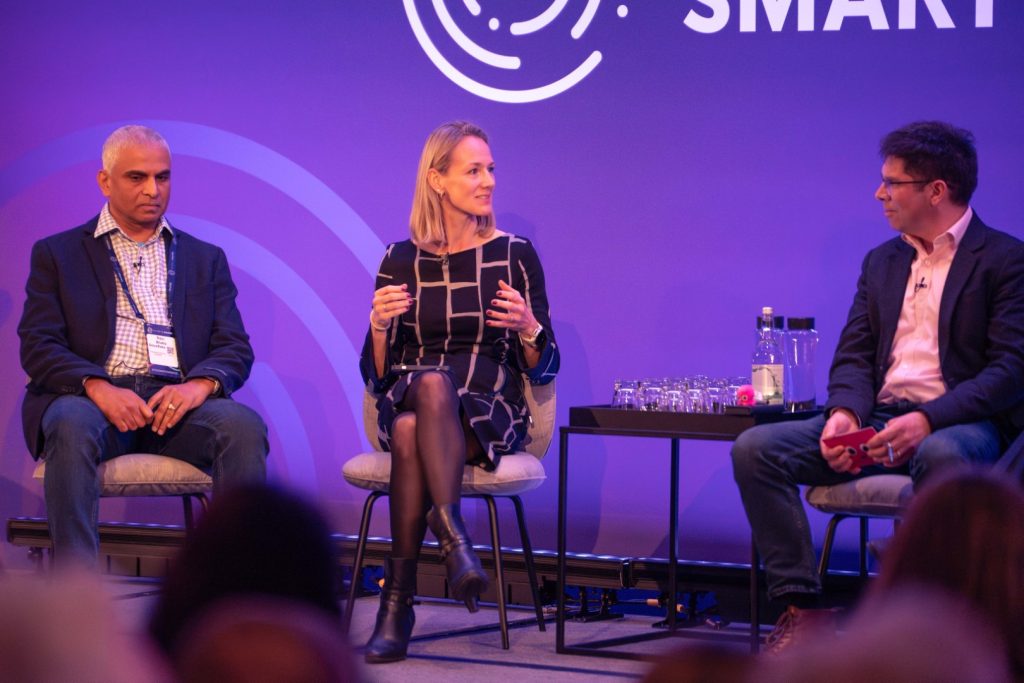
Once inside leadership, the pressure builds. Seniority often brings new challenges, like public speaking, which didn’t come naturally to Årdal.
However, she found assurance in preparation. “Knowing my material gave me confidence. When building on facts and research, I came across with credibility, and people listened.”
She also advocates deliberate discomfort; she frequently volunteered to lead programme committees and speak on stage, which she would once have avoided. Before she knew it, speaking in front of anyone, in any environment, wasn’t so daunting anymore.
“Practice really does make perfect.”
“Stakeholder management is also important,” she adds. Especially in senior leadership settings, preparation also involves learning how to deliver your message impactfully and tailoring to your audience.
Yet, she cautions against perfectionism: “Trying for 100% all the time is exhausting and unsustainable.” Leadership, she has learned, is as much about stamina as performance.
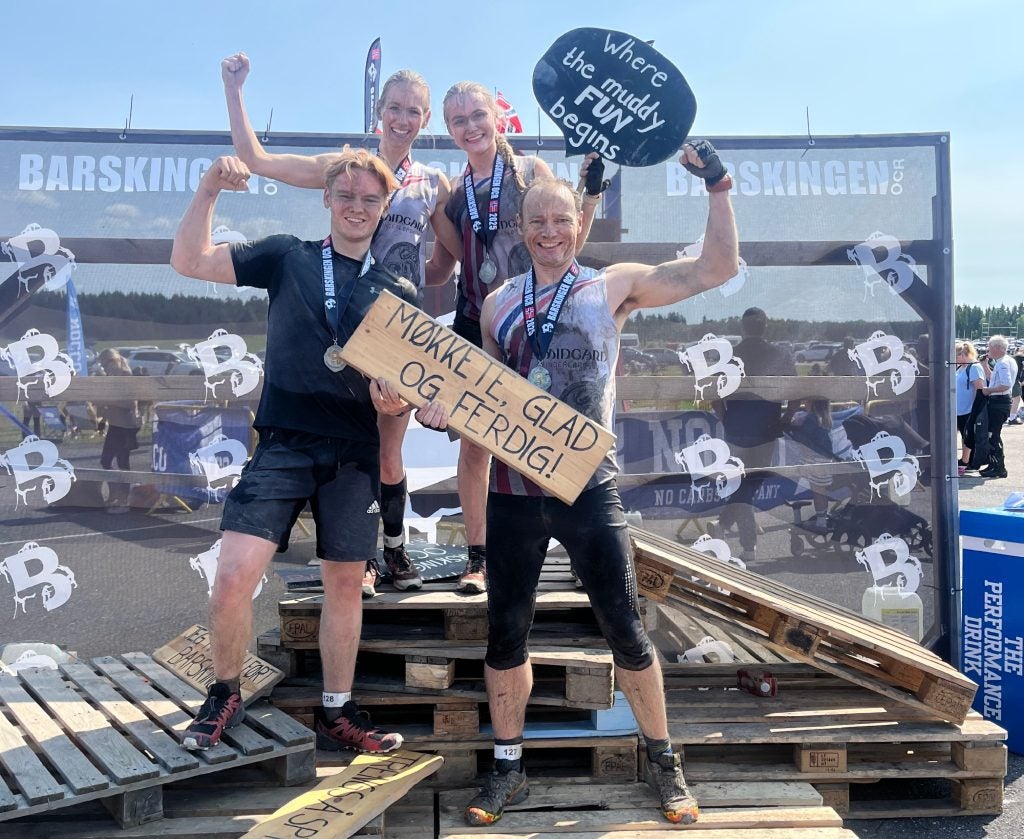
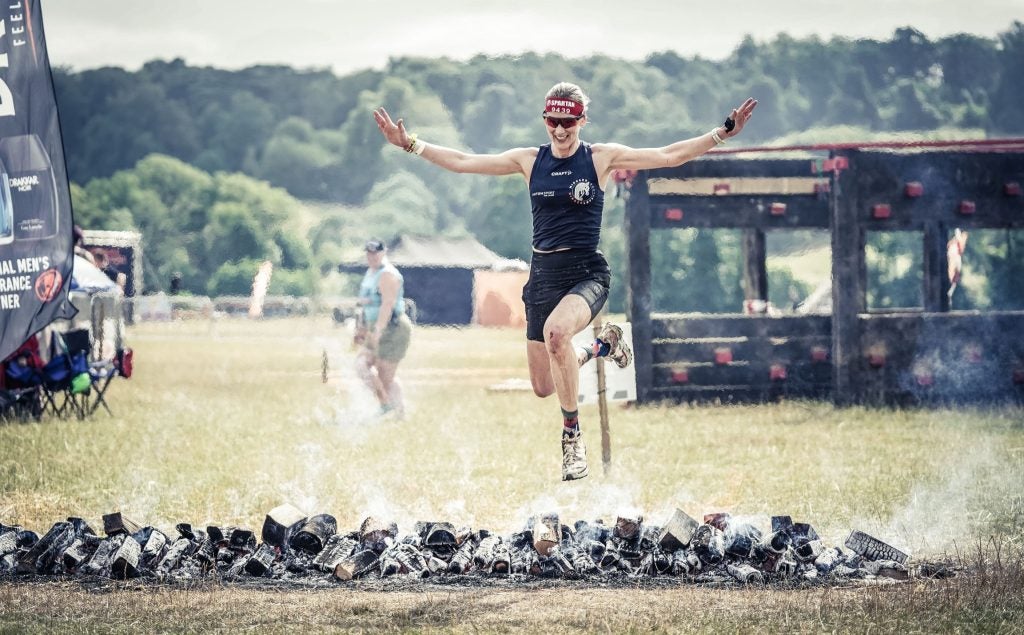
That belief carries into her life outside work. Årdal believes leaders must find an outlet to both “recharge and build a strong mind and body”. For her, that is running and competing in obstacle course races like Hyrox and Spartan Race – gruelling tests of endurance and teamwork, which she considers a metaphor for leadership itself.
“You face obstacles, but step by step, as a team, you get through them. I bring those learnings and mentality back to the office.”
Over the course of her career, Årdal has undoubtedly seen “steady improvement” in female representation in the energy and tech workforce, but she is clear about what still needs work.
Appointments for boards and senior roles often happen through familiar circles, which can exclude women. “If people in leadership don’t have enough women in their networks, it’s hard to vote for them”, she says, emphasising that initiatives like female board networks are critical.
The government also contributes to how women progress in the industry. While Årdal benefited from Norway’s generous parental leave, she recognises that not all women are guaranteed the same privileges, as family policies still vary widely by country.
“Early in my career, I experienced what it means not to have equal opportunities, and that has shaped both how I lead and how I live.” Årdal now manages a diverse team at Scatec in gender and background. Diversity, she believes, is about perspectives as much as representation. “Different backgrounds, nationalities and functions all add value to the business.”
As the energy sector continues to transform, leaders like Kine Årdal are proving that change doesn’t have to mean starting over. Sometimes, it’s about connecting the dots – between disciplines, industries and people – and paving the way for others like her along the way.


