
Shanghai Electric has officially commenced construction on the Euphrates combined-cycle extension in Iraq, aiming to 625 megawatts (MW) of capacity and boost overall plant efficiency by roughly 50%.
Serving as the contractor, the company is modernising plants in four Iraqi governorates by converting simple-cycle units into combined-cycle systems.
Earlier this year, a Shanghai Electric-led expansion was launched across the governorates of Najaf, Karbala, Babylon, and Al-Qadisiyyah.
The project will be delivering an extra 5 billion kilowatt hour (kWh) of electricity each year without increasing fuel use.
The initiative is expected to substantially address Iraq’s persistent power shortages.
Shanghai Electric spokesperson said: "The pressing need for energy security and development in Iraq is clear. We are honoured that our efficient combined-cycle technology is recognised as instrumental in modernising this critical infrastructure. This project exemplifies our commitment to supporting the energy security and green development of Belt and Road countries through technological innovation."
Iraq, a key oil producer in the Middle East, has faced acute electricity shortages for more than 30 years.
Although, most of its power plants run on natural gas, domestic gas development has fallen behind, leading to significant reliance on imports, said Shanghai Electric.
This persistent shortfall has undermined livelihoods and hindered national reconstruction and economic growth.
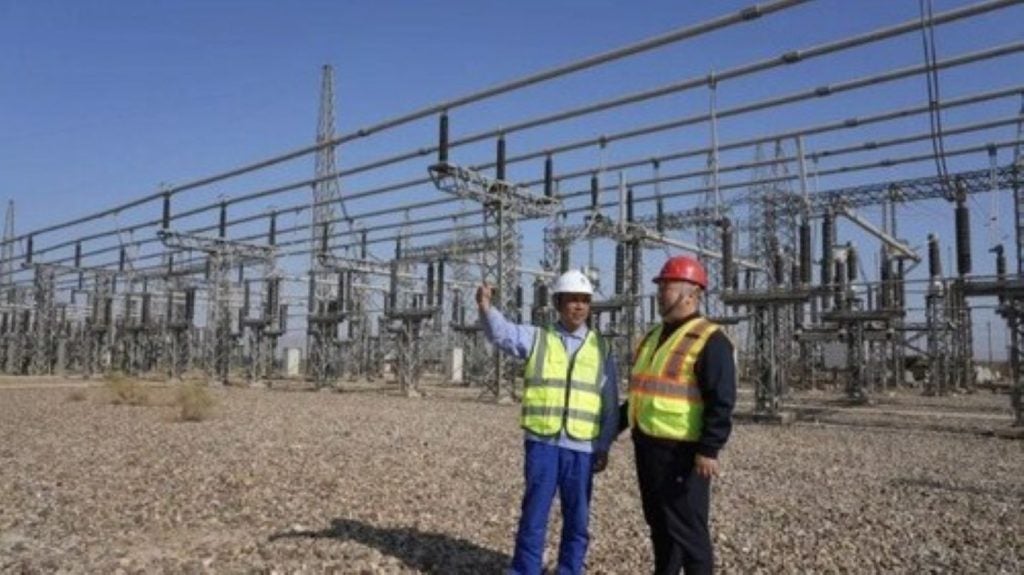
Core equipment has arrived at the project sites, and construction is progressing through joint efforts by Chinese and Iraqi teams.
Iraqi Electricity Minister Ziad Ali Fadel said: "This initiative is highly significant for improving Iraq's power supply and optimizing its electricity infrastructure. Once operational, it will effectively reduce Iraq's reliance on imported natural gas and lower its fuel costs for power generation."
At the Najaf power plant, the upgrade harness the high-temperature exhaust from existing gas turbines as the heat source.
The exhaust flows through heat recovery steam generators to produce high-pressure steam, which powers a new steam turbine to generate extra electricity.
This combined-cycle approach boosts output and efficiency without additional fuel and lowers thermal pollution from the original units.
At the Karbala facility, key components, including heat recovery steam generators and direct air-cooled condensers, have arrived.
The stage represents one of Iraq’s first combined-cycle upgrades to fully adopt Chinese equipment and standards, with core systems engineered and built in China.
Last month, Shanghai Electric and Siemens signed a framework agreement to accelerate the green digital power grid transformation, focusing on low- and medium-voltage power system equipment to help achieve China’s dual-carbon goals.