


The converging pressures of global energy demand and stringent sustainability mandates have forced industrial power consumers to confront a fundamental challenge: balancing energy security with decarbonisation targets. Rampant grid capacity constraints, compounded by volatile industrial electricity prices, have further deepened this “energy trilemma” for businesses seeking to maintain economic viability. With pressures growing on both fronts, consumers must look to viable alternative solutions to secure power without increasing their carbon footprint.
From passive dependency to self-reliance
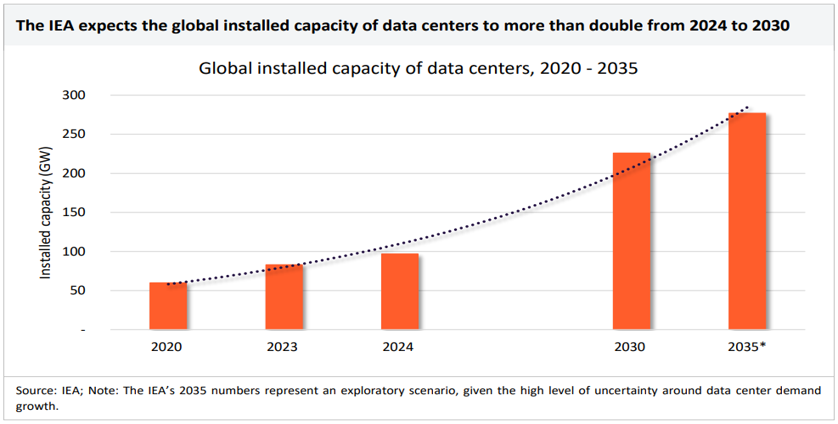
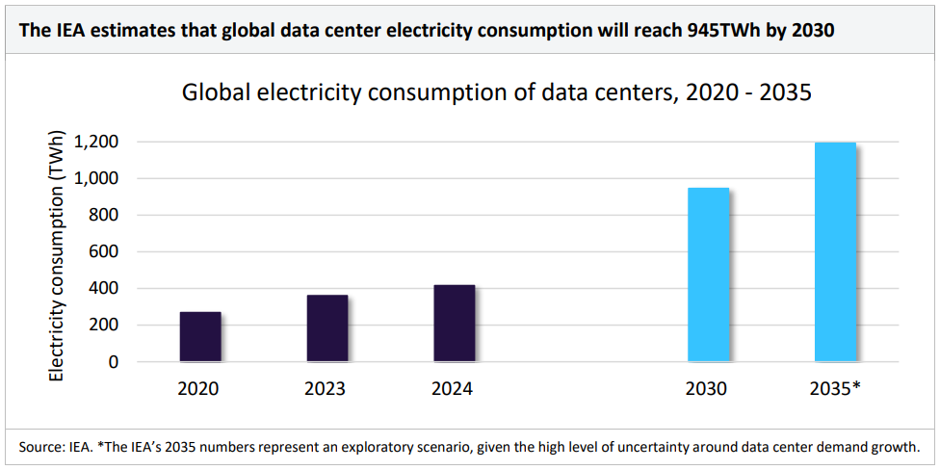
Unprecedented grid capacity constraints have emerged as a critical bottleneck globally. Grid limitations in North America have reached record highs, where explosive data centre growth, fuelled by AI and cloud computing, is exhausting local networks. Meanwhile, European electricity costs continue to rise, triggering mass plant closures, reducing energy output, and delaying decarbonisation investments for thousands of businesses across EU states. Independent bodies have warned that the UK sits on the cusp of rampant deindustrialisation as soaring domestic energy prices threaten a mass exodus of manufacturers seeking more stable markets overseas.
Hampered by bureaucratic inertia and political volatility, government funding in this domain has been notoriously slow. Relying on promises of future grid expansions has left businesses stagnant, with grid connection queues across Europe stretching well into the 2030s. Centralised Carbon Capture and Storage (CCS) initiatives in the UK and EU face long development timelines, infrastructure limitations, and soaring costs that ultimately fall on private businesses. The economic reality is glaringly clear: industrial consumers must transition from passive dependency to proactive strategies to ensure a stable future of secure energy.
The profitable opportunity of today
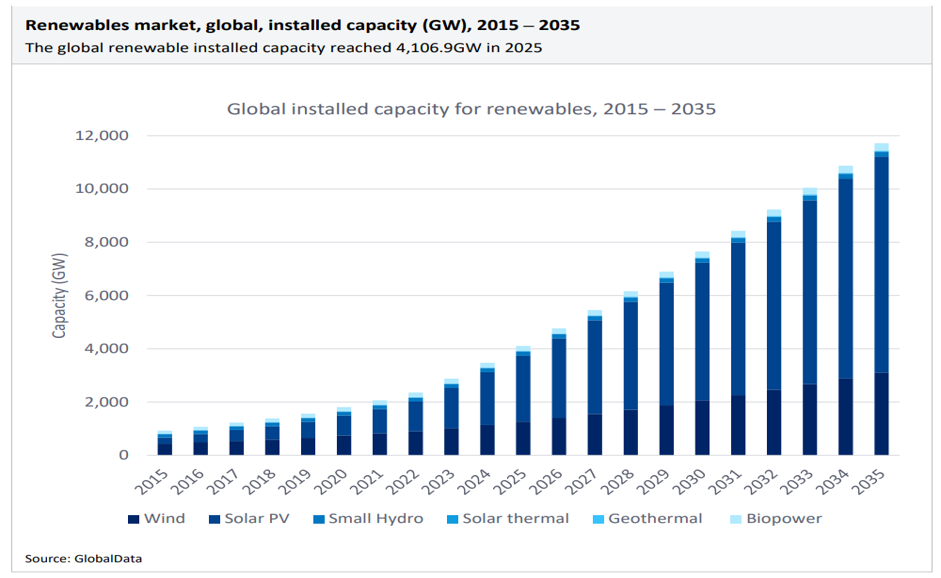
With international communities setting their sights on net-zero, global renewable installed capacity is projected to surge in the next decade. This rapid influx means a comprehensive transformation of the power sector is desperately needed. However, because matching energy supply with demand requires perfect synchronisation at every fraction of a second, grids have typically maintained balance through fossil-fuel plants. Weather-dependent renewables lack this same production certainty, and fully restructuring grid infrastructures to handle this volatility will require significant development spanning several decades.
As a flexible solution, Carbon Capture, Utilisation, and Storage (CCUS) offers a vital path forward. According to data from the International Energy Agency (IEA), CCUS could reduce global CO₂ emissions by almost 20%, equivalent to saving around 37 Gt of CO₂ annually by 2050, while lowering the overall cost of climate protection by approximately 70%. This highly scalable technology serves as a strategic solution for decentralised infrastructure, such as plants utilising mtu gas engines, enabling localised power projects to be realised in under three years without requiring extensive grid reform.
The carbon capture process
As the first step in the CCUS value chain, carbon capture utilises post-combustion amine scrubbing to extract CO₂ from pre-treated flue gas using an absorber and a stripper column. The flue gas enters the bottom of the absorber while the liquid amine base is fed from the top, creating a counter-current contact that allows the CO₂ to react selectively with the amine solution. This CO₂-enriched amine then flows into the stripping column, where low-pressure steam breaks the chemical bond to release the gas. Finally, the isolated CO₂ is compressed, dehydrated, purified, and liquefied for transport and storage.
This mechanism enables decentralised plants to establish “quad-generation”, converting exhaust gas into isolated purified CO₂ – in addition to power, cooling and heating – thereby offering a direct option for CO₂ reduction. Leveraging CCUS in gas engine plants directly provides a route to facilitating energy security while reducing emissions. These plants are flexible, controllable, independent of geographical conditions, and maintain grid stability during prolonged dark doldrums when wind and solar are not readily. Considering the availability and limitations of the widely favoured green hydrogen and biomethane, engine-based CCUS resolves this gap as it is commercially available today and provides for CO₂ reduction.
CO₂ as a profitable commodity
Gas engine CCUS systems offer strong economic incentives by turning captured CO₂ into a commodified industrial raw material. Off-take agreements with various sectors provide new revenue streams that help offset initial operational costs, creating financial value beyond heat and electricity generation.
While early applications target localised markets like greenhouses and the food and beverage industry, broader macroeconomic growth focuses on three expanding categories: chemicals, where CO₂ replaces fossil carbon; synthetic e-fuels like kerosene and e-diesel for transport; and building materials, where the gas is permanently bound through mineralisation.
Other streams include the monetisation of emission reductions in carbon credit markets, alongside the avoidance of carbon costs, including CO₂ taxes or the purchase of emissions certificates under schemes like the EU ETS. For companies facing rising carbon costs and unstable energy supplies, carbon capture, when paired with engine-based gas power generation application, emerges as a logical solution to enhance overall efficiency and improve investment security amidst regulatory and technological uncertainties, all while keeping up with decarbonisation targets.
As a scalable, future-proof pathway for low-carbon power generation, CCUS redefines the challenges of the energy trilemma as opportunities for industrial growth. Early adopters gain a first-mover advantage to secure market leadership and strengthen sustainability credentials in the wake of increasingly stringent emission regulations.
From theory to practice: The Worksop plant
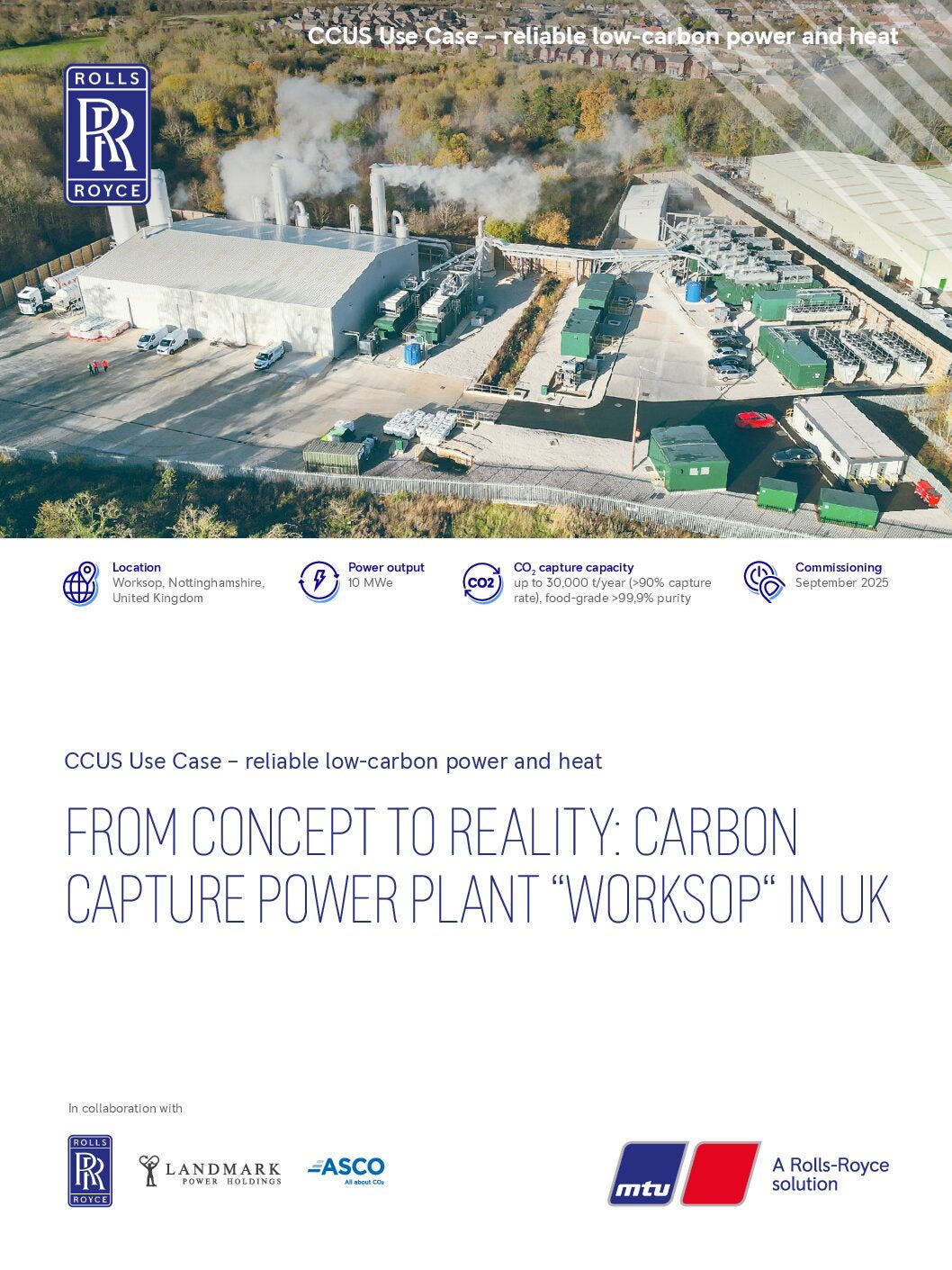
Transforming this theoretical concept to practical application, Rolls-Royce, in collaboration with ASCO CARBONDIOXIDE Ltd (ASCO), and Landmark Power Holdings Ltd (LMPH), demonstrated its CCUS capabilities with the Worksop pilot in Nottinghamshire, UK late last year. The plant saw the first real-world application of the FLEXPOWER PLUS® concept, which combined modular power generation with integrated carbon capture, delivering 10 MW of low carbon electricity. Built around six mtu Series 4000 L64FNER gas engines, the plant also benefits from high-efficiency CHP. Crucially, the plant extracts and commodifies its own exhaust gas, providing a revenue stream by capturing 95% of the carbon without disrupting power production.
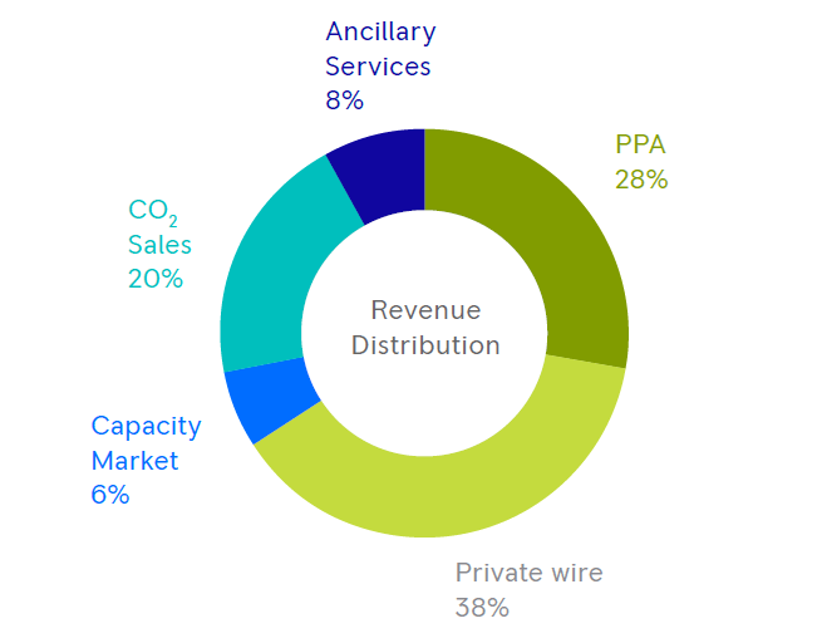
While high upfront costs remain a hurdle, the Worksop pilot showcases how its investment of roughly £3.5 million per MW installed was subsidised not through the government, but through a diversified revenue model yielding several separate, dependable revenue streams. The plant combines long-term electricity sales via Power Purchase Agreements (PPAs), private-wire supply to nearby industrial users, capacity market participation, CO₂ offtake agreements, and heat recovery.
This financial viability is demonstrated by the project’s long-term offtake agreement with BUSE Gases Ltd and others. The Worksop pilot ultimately demonstrates how industrial operations can turn carbon liabilities into stable income streams.
Download the report below to discover how Rolls-Royce solutions help to secure energy while reducing your carbon footprint.
