Skip to site menu Skip to page content

Welding S304H and HR3C with R1

By Meeraner Dampfkesselbau GmbH
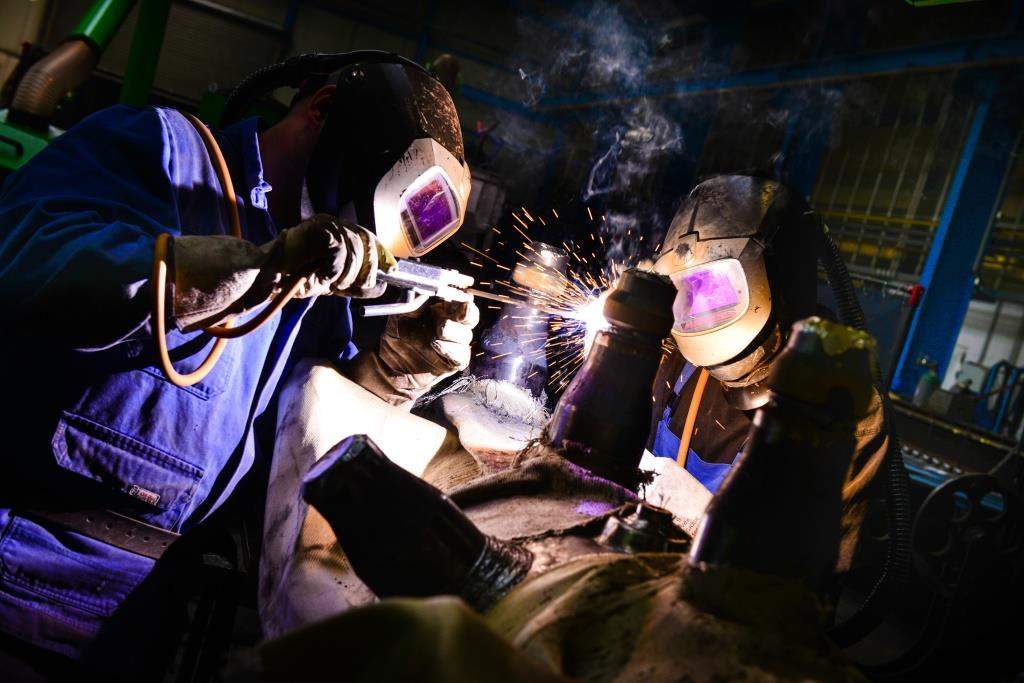
In welding, austenitic and nickel-based materials such as S304H and HR3C tend to form hot cracks in the micro-structure range. These micro-cracks develop straight after welding and may be the starting point for larger cracks under boiler operations. Cracks result in component failure and, as a consequence, in major repair steps. The welding parameters are primarily responsible here. In particular, heat input, which is calculated from amperage, voltage and welding speed, impacts on micro-crack formation. The greater the heat input (welding parameters), the greater the risk of hot crack susceptibility. Meeraner Dampfkesselbau GmbH's innovation lies in exchanging the inert gas deployed. To find out more, please download this free white paper.

Enter your details below to view the free white paper

By downloading this whitepaper, you acknowledge that GlobalData may share your information with our white paper partners/sponsors who may contact you directly with information on their products and services.

Visit our Privacy Policy for more information about our services, how GlobalData may use, process and share your personal data, including information on your rights in respect of your personal data and how you can unsubscribe from future marketing communications. Our services are intended for corporate subscribers and you warrant that the email address submitted is your corporate email address.

Related Content